

 InfoSearched
Gucci went from your grandmother’s monogram to the loudest logo on Instagram, and it didn’t happen by accident.
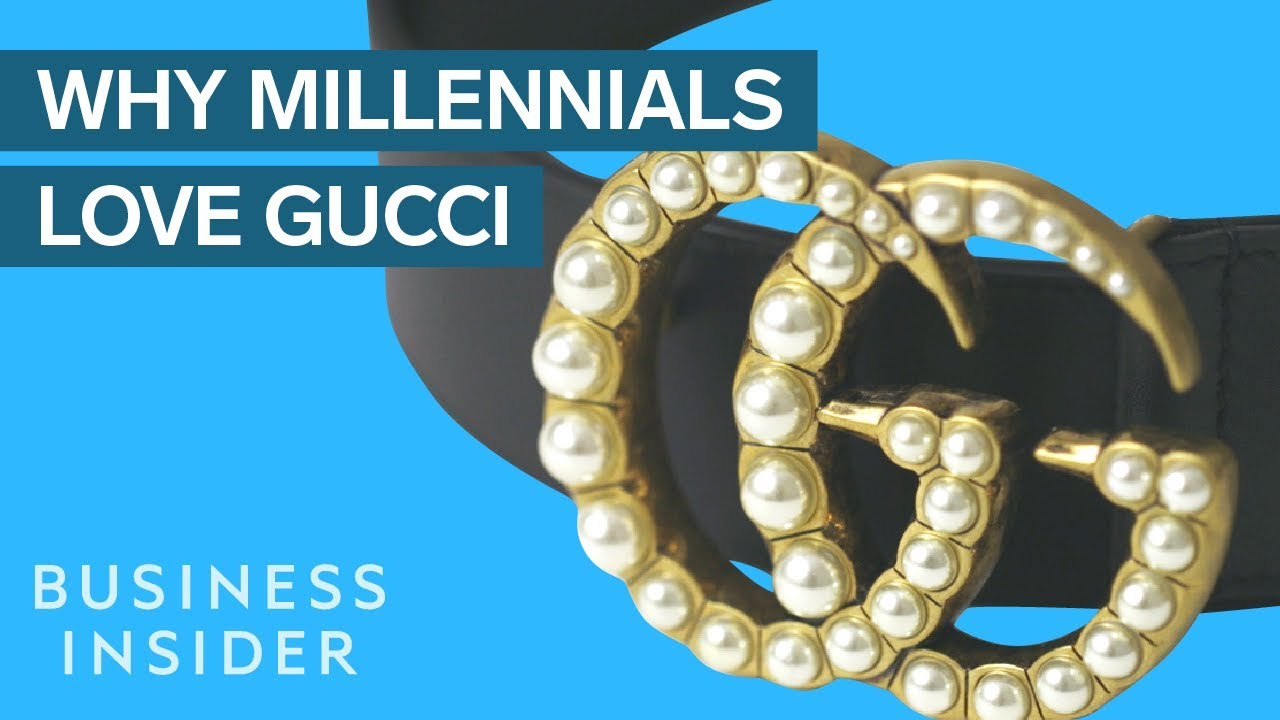
Business Insider’s November 2018 video report “Why Millennials Love Gucci” traces exactly how a century-old Italian leather house became the brand teenagers and twentysomethings actually want to wear. The answer isn’t nostalgia — it’s a deliberate corporate bet made in early 2015, when CEO Marco Bizzarri handed total creative control to a little-known accessories designer named Alessandro Michele and told him to blow the whole thing up.
- Marco Bizzarri and Alessandro Michele took over in early 2015 and scrapped Gucci’s restrained, “rational” house aesthetic for maximalist, Instagram-ready design.
- Kering pushed its digital communication spend toward 40% and leaned on streetwear collaborations like GucciGhost, plus viral moments including Lil Pump’s “Gucci Gang” and Kylie Jenner’s $625 Gucci baby carrier.
- By 2017-2018, shoppers 35 and under generated roughly 50% to 55% of Gucci’s total revenue.
A CEO Who Gave Away Control
Bizzarri’s move was counterintuitive for a heritage luxury house: he didn’t hire a star name from a rival maison, he promoted Michele from within Gucci’s own accessories department and then stepped back. Michele had never run a runway show. What he got was full artistic freedom, and he used it to trash the brand’s decades-old playbook of understated, corporate-safe elegance almost overnight.
The new collections were deliberately loud — clashing prints, vintage-inspired eyewear, ornate embroidery, gender-blurring silhouettes. It looked nothing like the Gucci of the early 2010s, and that was the point. Every look was built to stop a thumb mid-scroll, which is a very different design brief than dressing a mannequin in a Milan boutique window.
Turning the Double-G Into a Meme
The video lays out how quickly that redesigned logo colonized pop culture. Lil Pump’s “Gucci Gang” turned the brand name into a chant. Streetwear crossovers put the double-G on hoodies and sneakers instead of just handbags. And when Kylie Jenner was photographed carrying her daughter in a $625 Gucci baby carrier, it generated headlines that no ad buy could have purchased.
Consumers 35 and under drove roughly 50% to 55% of Gucci’s total revenue by 2017-2018.
None of that exposure was left to chance. Kering, Gucci’s parent company, pushed its digital communication spend toward 40% of its marketing budget, funding collaborations with street artists like GucciGhost specifically to reach the audience Michele’s designs were built for. The strategy mirrors the same influencer-and-platform playbook other consumer brands have chased — the kind of shift covered in pieces on social media lifestyle content and how companies now build reach through partnerships rather than traditional ad buys, a topic explored in Scentbird’s founder journey.
The Numbers Behind the Comeback
The financial payoff is the part that made Gucci a case study rather than just a fashion story. A luxury house whose customer base once skewed decades older suddenly had shoppers under 35 accounting for roughly half its revenue by 2017-2018. That’s the number that got other heritage brands in Milan and Paris paying attention to what Michele and Bizzarri had actually built.
Business Insider frames the whole arc as a blueprint for luxury in the smartphone era: hand creative control to someone willing to break house rules, chase virality on Instagram over glossy print campaigns, and let hip-hop culture and streetwear do marketing that a traditional ad budget never could.
Michele’s Gucci didn’t just survive the shift to digital-first fashion — it became the reference point every other house got measured against, and by the time this video posted, competitors were still trying to figure out which of their own in-house designers they could hand the keys to next.








How Blockchain Went From Bitcoin To Big Business
Merchandise Life Cycle for Small Retail Businesses and Small-Batch Manufacturers
Fake Money Is Making You Poorer! Why Savers are LOSERS – Robert Kiyosaki [ Millennial Money ]
From $0 to $600K per month Selling Tea at 22 Years Old | Gretta Van Riel
3 POWERFUL Ways To Profit From Your BLOG… Starting TODAY!