

 InfoSearched
Gold just blew through a nine-year-old record, and Trump’s tariff fights are a big reason why.
Spot gold tore past its 2011 all-time high on July 27, 2020, trading above $1,940 an ounce and leaving the old ceiling of roughly $1,920 to $1,921 in the dust. Silver rode the same wave, clearing $24 an ounce for the first time in years. Mint’s market report that day pinned the surge on a familiar culprit for anyone who has followed markets since 2018: President Trump’s tariff policy and the trade uncertainty it keeps stirring up, now layered on top of a pandemic-battered global economy.
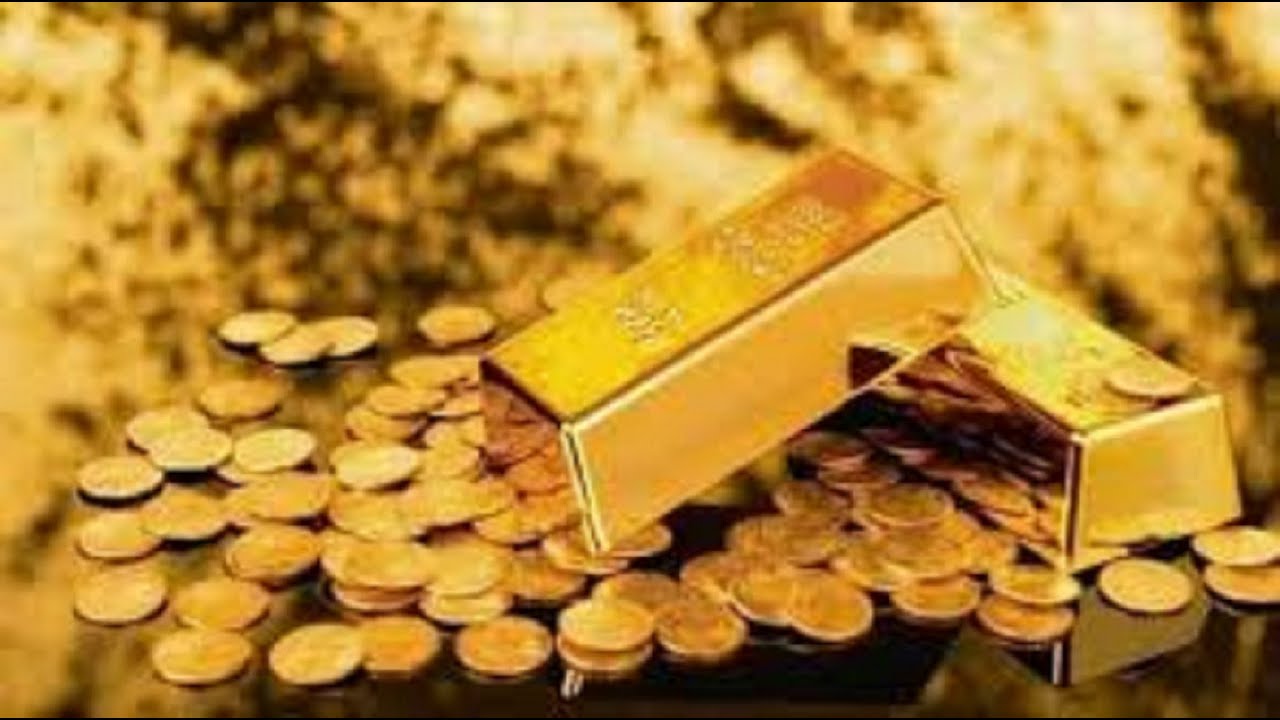
- Spot gold broke its previous 2011 record of $1,920–$1,921/oz, climbing above $1,940/oz on July 27, 2020.
- Silver surged past $24/oz, hitting multiyear highs in the same session.
- Gold on India’s MCX also hit fresh record highs, tracking the international rally as retail and institutional buyers piled into the metal.
The Record That Finally Fell
Gold had been circling its 2011 peak for months, but July 27 is when it broke through cleanly. The move wasn’t a fluke spike — it came with volume and conviction, dragging silver along for a parallel run to its own multiyear high above $24 an ounce. Traders had been positioning for this for weeks as bond yields sank and the dollar wobbled, but the size of the breakout still caught plenty of desks off guard.
Spot gold didn’t just edge past its 2011 ceiling — it cleared $1,940 an ounce, roughly $20 above the old record, in a single trading session.
Tariffs as a Trust Problem
The Trump administration’s tariff policy, rooted in the US-China trade fight that flared through 2018 and 2019 and reignited amid worsening diplomatic friction in 2020, has done more than rattle supply chains. It has made global trade itself feel unpredictable, and markets hate unpredictability. Every new round of tariff threats or retaliatory measures pushes another wave of capital out of equities and currencies and into something that doesn’t answer to any single government’s trade desk.
That’s the mechanism behind gold’s status as a hedge: it isn’t tied to one economy’s fortunes, so when Washington and Beijing trade tariff threats, gold doesn’t have a side to lose on. Investors looking to protect capital from that kind of policy whiplash have kept rotating into the metal all year, and anyone tracking the mechanics of that shift can find more on how professional traders read these signals through resources like how to get insider trading info for free.
The Pandemic Multiplier
Tariffs alone didn’t get gold to $1,940. Central banks around the world had already slashed rates and flooded markets with liquidity to fight the economic damage from COVID-19, while government budget deficits ballooned to cover relief spending. That combination — cheap money, heavier debt loads, and currencies that suddenly looked less stable — is exactly the environment where gold and silver historically outperform. Layer Trump’s tariff brinkmanship on top of that backdrop, and the rush into safe-haven metals stops looking surprising at all.
Retail investors reacted the same way institutions did. Demand for physical bullion and metal-backed funds climbed alongside the price, a pattern anyone building a diversified portfolio during this stretch has had to reckon with; the broader case for spreading risk across assets gets laid out well in pieces like 3 Ways to REALLY Make Money in The Stock Market (Insider Tips).
India’s Parallel Rally
The move wasn’t confined to London and New York. On the MCX, India’s commodity exchange, gold contracts also printed fresh record highs on July 27, tracking the international breakout almost tick for tick. Indian retail buyers and institutional funds rotated capital into the metal at the same pace as their overseas counterparts, reinforcing that this wasn’t a regional quirk — it was a global flight to safety showing up in every major gold market at once.
Silver’s move above $24 an ounce matters just as much as gold’s record, because it tends to lag and then catch up hard once a precious-metals rally gets real conviction behind it. If tariff tensions keep escalating into the back half of 2020, the metals desks watching this rally will be asking whether silver’s catch-up trade has more room to run before gold’s next resistance test above $1,950.








How To Work Less & Be More Productive – Tim Ferriss
5 KEYS TO BEING A GREAT DAY TRADER! RULES OF 36 YEAR VETERAN TRADER!
How Much Money Can You REALLY Make Selling On Amazon?
Conor Mcgregor | 5 Minutes For The NEXT 50 Years of Your LIFE
A Secret Way Of Getting Traffic