

 InfoSearched
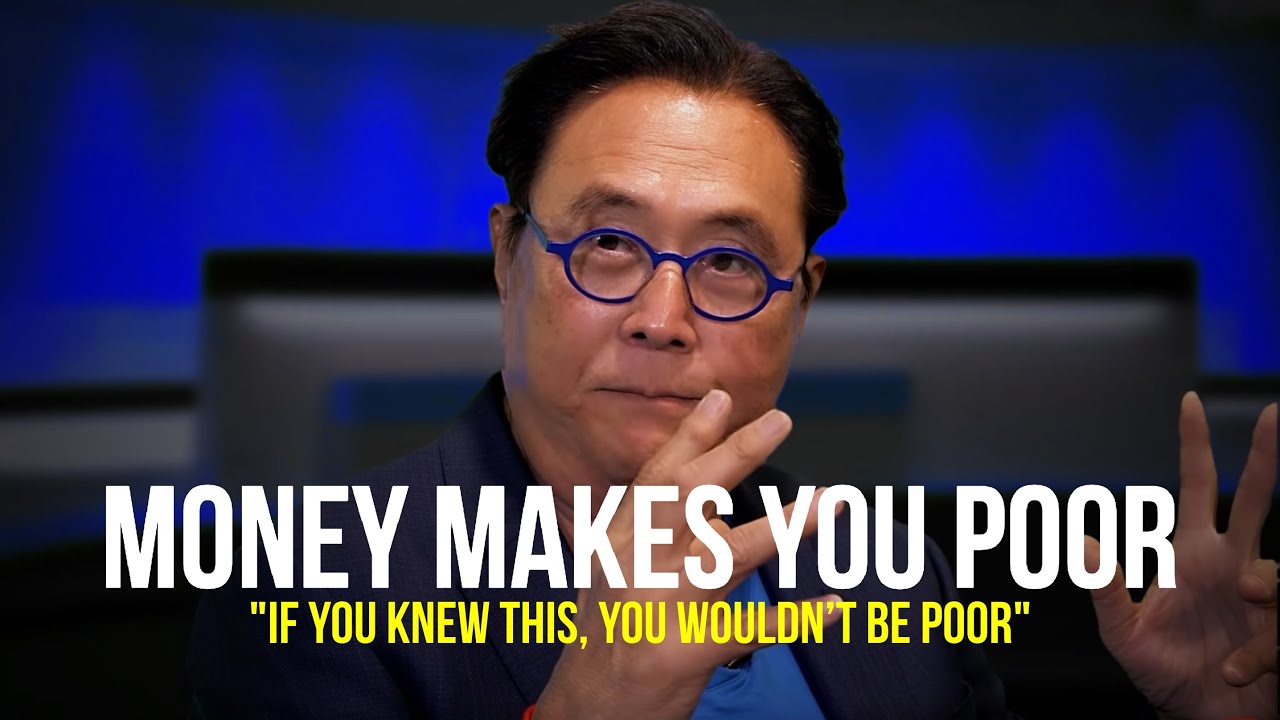
Robert Kiyosaki says the trap isn’t a bad boss or a bad economy — it’s the paycheck itself.
In “The Biggest Trap People Fall Into,” a Video Advice production, the “Rich Dad Poor Dad” author lays out why a raise rarely translates into real wealth. Kiyosaki calls the cycle the “rat race”: work a demanding job, get a bump in pay, then immediately absorb that extra income into a bigger mortgage, a nicer car, or more consumer debt. He argues the system isn’t an accident — it’s baked into how most people are taught to think about money from the time they’re in a classroom.
- Kiyosaki defines the rat race as a loop where wage earners take on liabilities — consumer debt and home mortgages — instead of buying income-generating assets every time their pay increases.
- He blames traditional schooling for conditioning people toward job security, reliance on degrees, and a fear of financial mistakes, which he says produces employees rather than business owners or investors.
- His escape plan centers on financial literacy and acquiring cash-flowing assets — businesses, real estate, and stocks — until passive income covers living expenses.
Mechanisms of the Rat Race
Kiyosaki’s model is mechanical, not moral: an employee earns a wage, taxes come out first, and whatever’s left gets spent servicing debt or funding a lifestyle upgrade. A promotion doesn’t break the cycle — it just raises the ceiling on what gets spent. He says most people never stop to ask where the extra money actually goes because they’re too busy working the next shift to earn it.
The result, in his framing, is a treadmill that speeds up the harder you run. Someone earning more in year five than in year one can still have zero net worth, because every dollar of the raise financed a bigger house payment or another car loan rather than an asset that throws off cash flow.
Schools Perpetuate Career Traps
Kiyosaki’s sharpest criticism in the video is aimed at the classroom, not the workplace. He argues schools train students to chase specialized degrees and steady paychecks while treating financial mistakes as failures to be avoided rather than lessons to be paid for. That conditioning, he says, produces graduates who are excellent employees and terrified investors.
He connects this fear directly to the choices people make once they’re earning: rather than take a calculated risk on a rental property or a small business, they default to what feels safe — a savings account, a company 401(k), a bigger house. Kiyosaki has made a similar case in prior appearances about how traditional saving habits can quietly erode wealth, a theme covered in Fake Money Is Making You Poorer! Why Savers are LOSERS.
The Home-as-Asset Myth
One of Kiyosaki’s most repeated claims is that a primary residence isn’t the asset most people think it is. Every month it takes money out of your pocket — the mortgage, the property taxes, the insurance, the maintenance — rather than putting money in. He draws a hard line between that and a rental property or a stock position that generates cash flow while you sleep.
Employees trade time for money — and then mistake the house that drains their paycheck every month for the asset that’s supposed to set them free.
Fear, Greed, and the Way Out
Kiyosaki says two emotions keep people locked into the cycle: fear of losing what little security they have, and greed for the next raise or the next purchase that promises comfort. Both push people toward trading hours for dollars instead of building something that pays them independent of hours worked.
His prescribed exit is financial education paired with calculated risk — learning to read a balance sheet, understanding cash flow, and then deploying money into businesses, rental real estate, or stocks until the passive income from those assets exceeds monthly expenses. It’s the same asset-versus-liability framework he’s pushed for years, echoed in pieces like Meet The Real Estate Investor With 102 Tenants, where cash-flowing property does exactly what Kiyosaki says a paycheck alone never can.
Kiyosaki doesn’t offer a timeline for when passive income should overtake a salary — he’s said in other interviews it took him years of buying and losing money on real estate before the cash flow turned positive. The point of this video isn’t a shortcut; it’s a diagnosis. Anyone still waiting on the next raise to fix their finances, in his view, is treating the symptom while the rat race keeps running underneath them.



Why the Global Chip Shortage Is Hard to Overcome
How to Find and Buy a Foreclosed Home
This Is How Warren Buffett REALLY Made 85 Billion Dollars
The Uniqueness of a Hybrid Business Model
New hybrid business opens in Old Colorado City