

 InfoSearched
Picking a co-founder is the second-biggest decision an entrepreneur will make, right after picking a spouse.
Patrick Bet-David isn’t handing out generic relationship tips in “How to Choose the Right Business Partner.” The Valuetainment founder, who built PHP Agency from scratch and has since scaled his own media company alongside it, uses the episode to lay out a tactical vetting process for anyone about to hand over equity to a co-founder. It’s less “communicate openly” and more “here’s exactly what to check before you sign anything.”
- Bet-David frames a business partnership as carrying legal, financial, and reputational risk comparable to a marriage — meaning the vetting has to be just as rigorous.
- The episode breaks down the structural differences between types of partnerships and the operational and financial fallout of picking the wrong one, drawing directly on lessons from building PHP Agency and Valuetainment.
- He outlines specific criteria to test before offering equity: a genuine “running mate” mentality, complementary (not duplicate) skill sets, aligned long-term vision, and demonstrated work ethic, financial stability, and integrity under pressure.
The Framework, Not the Feel-Good Speech
Most partnership advice floating around business media stays at the level of “trust each other” and “communicate well.” Bet-David skips that and goes straight to structure: what kind of partnership are you actually forming, what does each person bring that the other doesn’t, and what happens financially and operationally if this goes wrong six months from now. He treats the decision the way an investor treats due diligence, not the way a friend treats a handshake deal.
That framing comes directly from his own track record. Building PHP Agency into a large-scale financial services distribution company, and later standing up Valuetainment as a media brand, gave him firsthand exposure to what a mismatched partnership actually costs — in delayed decisions, in equity fights, and in relationships that don’t survive the pressure of running a company together.
Finding a True Running Mate
The core test Bet-David proposes isn’t whether a potential partner is excited about the idea. Enthusiasm is cheap and, in his view, almost worthless as a screening tool. The real question is whether this person is a “running mate” — someone whose skills fill the gaps in your own, rather than someone who mirrors your strengths and duplicates your weaknesses.
Two people with the same strengths and the same blind spots don’t make a stronger company — they make the same company, twice as exposed.
He also stresses testing that alignment before any paperwork gets signed: does the potential partner see the same five-year outcome for the business, or are they there for a shorter, more transactional payoff? A running mate has to want the same finish line, not just the same starting point.
Vetting the Non-Negotiables
Beyond skills and vision, Bet-David lays out a short list of traits he considers disqualifying if they’re missing: work ethic, financial stability, and integrity under pressure. Someone who cuts corners or wilts financially when the business hits a rough quarter isn’t going to suddenly become dependable once real money and real equity are on the line — the stress just reveals what was always there.
This is the same territory covered from a different angle in Why I Don’t Have A Business Partner Anymore, where the absence of a co-founder becomes its own case study in what happens when the fit isn’t right from the start. Bet-David’s version is the preventative side of that same lesson — catch the mismatch before the equity is handed over, not after.
Structuring the Deal Before Equity Changes Hands
Once the vetting checks out, Bet-David turns to the mechanics: clear decision-making boundaries, defined roles, and an agreement structured carefully before anyone gives up ownership. He treats the paperwork stage as the last line of defense — even a well-vetted partner needs boundaries spelled out in advance, because ambiguity about who decides what is where good partnerships quietly rot. Anyone weighing a formal partnership structure against staying independent should treat that agreement stage with the same seriousness Bet-David gives it, since it’s the part most founders rush through to get to the exciting stuff.
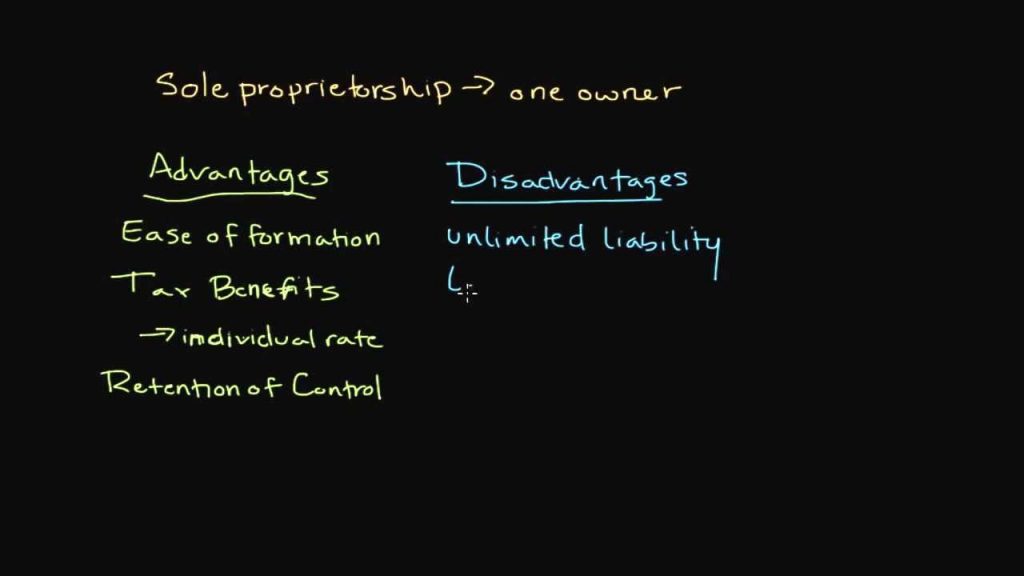
For founders still deciding whether a partnership makes sense at all versus building solo, the comparison in LLC vs Sole Proprietor: Which is best for YOUR business? covers the structural fork in the road that comes right before the partner conversation even starts.


Step-By-Step Guide to Writing eBook
Merchandise Life Cycle for Small Retail Businesses and Small-Batch Manufacturers
Top Ten Ways To Get Tons Of Traffic
Proven Ways to Earn Money Online!
EXACTLY how I do market research for new products