

Teen Millionaires | The kids running successful businesses who say you can too | Sunday Night
 InfoSearched
Three Australian teenagers are running six-figure and million-dollar businesses out of their bedrooms — while still doing homework.
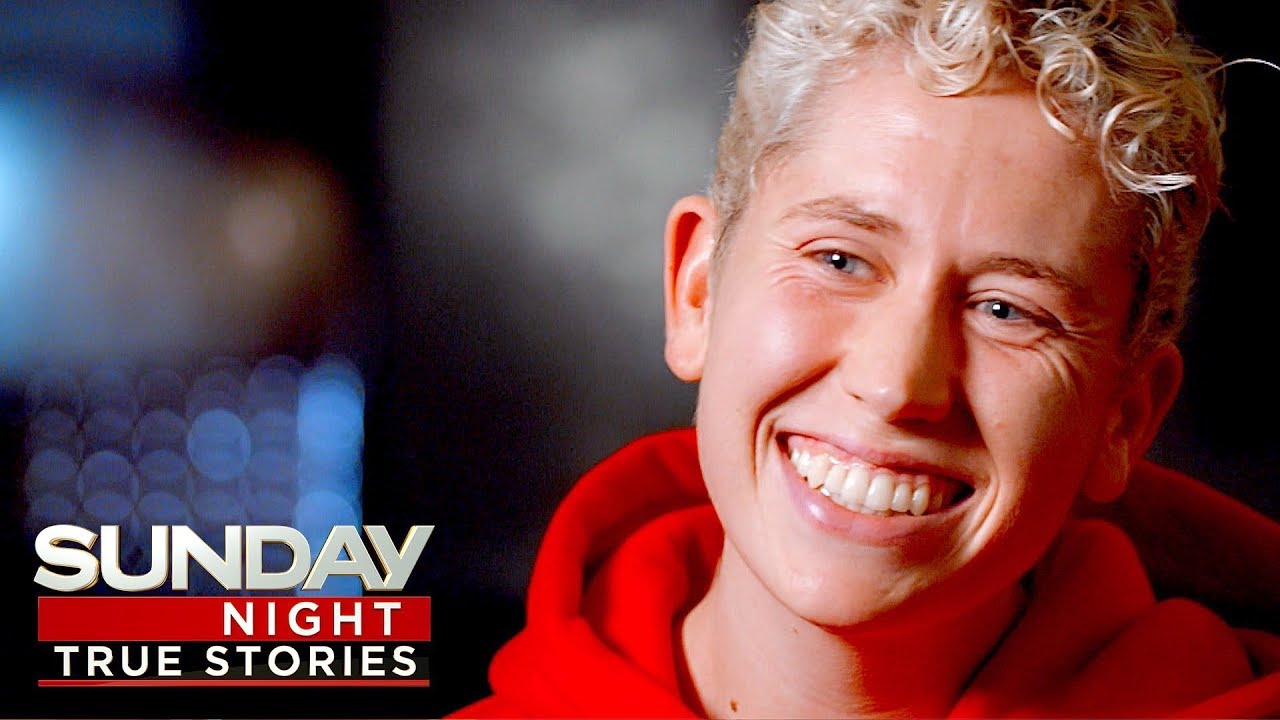
Reported by Alex Cullen and produced by Max Murch for Australia’s Sunday Night, the 7NEWS Spotlight feature “Teen millionaires: the young entrepreneurs running successful businesses” follows a Brisbane Year 12 student clearing seven figures a year from dropshipping, a Melbourne teenager who sold 10,000 doughnuts in eight days, and a schoolgirl turning used coffee grounds into a skincare line — all while sitting exams. The segment doubles as a pointed critique of how Australian classrooms treat kids who want to build businesses instead of play sport.
- Jack Bloomfield, 17, runs five e-commerce stores dropshipping items like Chinese bowties and South Korean phone cases, generating over $1 million a year from his classroom and bedroom between 8 a.m. and 3 p.m.
- Morgan Hipworth, 18, went from cooking three-course meals at age 9 or 10 to supplying a local café with daily cake orders at 13, then launched a pop-up bakery that sold 10,000 doughnuts in eight days after finishing school.
- Ali Kitinas started a boutique skincare venture at 15 that upcycles used coffee grounds into facial and body scrubs, running the business through her final Year 12 exams.
From Mowing Lawns to a Seven-Figure Dropshipping Empire
Bloomfield’s business career started small: mowing neighbors’ lawns for $20 a job. By 12 he was selling gift cards online, and at 13 he’d built a medical data web platform. Today he operates five separate online stores built around trending, easily shippable products — the kind of items that spike on social media one month and disappear the next — and says the whole operation runs quietly between first period and the final bell.
His model mirrors the same dropshipping playbook that’s turned other young operators into millionaires without ever holding inventory, a path detailed in How I Turned $400 to $1.3 Million | Dropshipping Success Story 2019. Bloomfield’s take on how his classmates react when he talks about it is blunt.
Bloomfield says telling classmates he wants to start a business guarantees one thing: laughter.
Ten Thousand Doughnuts in Eight Days
Hipworth’s path ran through the kitchen before it ran through a cash register. He was cooking three-course weekend meals at 9 or 10 years old, and by 13 a casual chat at a local café turned into a standing gig as the café’s daily cake supplier, filling orders worth hundreds of dollars at a time. Once he finished high school, he took the leap into a full-time, independent pop-up bakery — which sold 10,000 doughnuts in just eight days before he converted it into a permanent, owner-run business.
He recalls a different kind of encouragement from teachers than Bloomfield got from classmates: warnings that he was going to fail. Instead, the doughnut run became the proof point that the business could support itself without a fallback plan.
Coffee Grounds Into a Skincare Line
Ali Kitinas took a waste product most cafés throw out — used coffee grounds — and built a boutique scrub business around it, launching at 15 and managing production, orders and customers straight through her final Year 12 exam block. It’s the kind of scrappy, low-overhead build that echoes other young founders turning a niche product idea into recurring revenue, similar in spirit to the tea-to-cash story told in From $0 to $600K per month Selling Tea at 22 Years Old | Gretta Van Riel.
The School System’s Blind Spot
The segment’s throughline is a comparison the three teens keep making themselves: schools invest heavily in identifying and nurturing sporting talent, but treat business ambition as a joke or a distraction. Gary Vaynerchuk backs that argument up in the piece, arguing that traditional schooling is built around memorizing information that’s now a commodity sitting in every student’s pocket, and pointing out that companies like Google and Amazon no longer strictly require a university degree to get hired.
That argument lands harder next to Bloomfield’s numbers than it would in the abstract — a 17-year-old clearing a million dollars a year in revenue from a classroom desk is a difficult case study to laugh off, even if that’s exactly what his classmates did.
Kitinas was still filling scrub orders during her exam period when the segment aired; Bloomfield was still running five stores between classes. None of the three had any plans to slow down once school finished — for Hipworth, finishing school was the trigger to go full-time, not the end of the hustle.







15 NEW “Pandemic-Created” Business Ideas in 15 Minutes
How to Pick the Perfect Domain Name
Government Relief for COVID-19 Hit Employers: Unlocking ERC Benefits
Step-By-Step Guide to Writing eBook
A Click On Your Profits