

 InfoSearched
Two laptops, two backpacks, and no fixed address — this is what remote work actually looks like on the road.
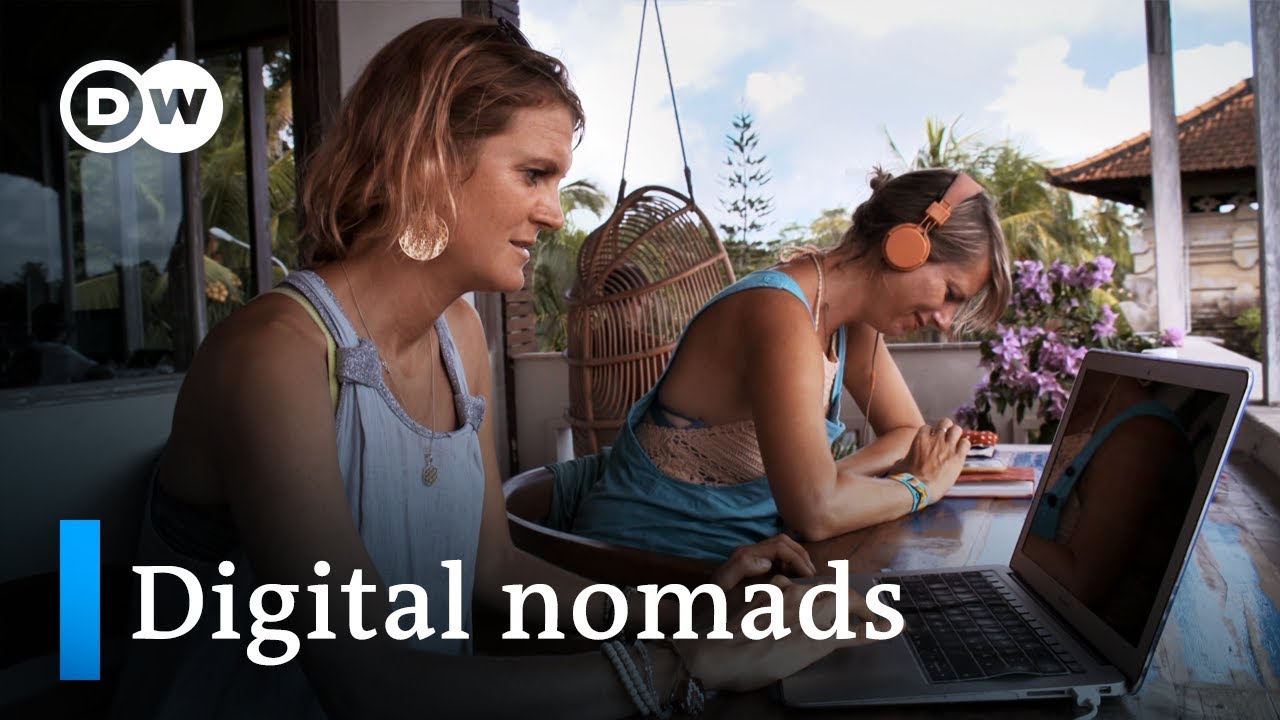
DW Documentary’s “Working online and traveling the world – digital nomads” follows Pete and Supi, a pair of location-independent workers who build their income entirely around a laptop, a smartphone, and whatever Wi-Fi they can find in their next city. The film trades the glossy Instagram version of this lifestyle for the actual logistics — packing up, finding a signal, hitting a deadline from a hostel or co-working space, and doing it again somewhere new. It’s a grounded look at what remote work costs as much as what it offers.
- Pete and Supi earn their income entirely online while continuously relocating between countries, with no fixed office or home base.
- The documentary tracks their daily routines — work sessions, travel logistics, and constant hunting for reliable internet — rather than a curated highlight reel.
- The film frames their choices around a central trade-off: freedom of movement versus the instability of income and routine that comes with it.
Background of Pete and Supi
Pete and Supi aren’t presented as influencers selling a fantasy — they’re working professionals who happen to do their jobs from wherever they land. DW’s cameras follow them through ordinary stretches of their week: opening a laptop at a kitchen table in a rented apartment, scouting a town for a spot with fast enough Wi-Fi, checking in with clients or projects on a schedule that has nothing to do with a 9-to-5. The documentary treats their setup less as an aspirational lifestyle brand and more as a case study in what happens when a career gets unhooked from a single location.
That distinction matters, because the digital nomad label gets thrown around loosely online. This film is specifically interested in the mechanics — how do you actually get paid, stay productive, and keep a client relationship intact when you’re never in the same city for long. Anyone weighing whether to try something similar might find more practical grounding here than in a typical social media lifestyle content feed built for engagement rather than accuracy.
The Daily Mechanics of Remote Work Abroad
The documentary spends real time on the unglamorous parts: finding accommodation with a workable desk setup, budgeting for internet access, and structuring hours around time zones that don’t care about a client’s expectations. Pete and Supi’s days blend work and travel to the point where the line between the two disappears — a work session might happen at 6 a.m. before a flight, or late at night after a day of sightseeing, because that’s when the connection and the schedule line up.
Being able to work anywhere sounds like total freedom — until “anywhere” means chasing a signal instead of chasing a deadline.
That instability is the documentary’s real subject. It’s not romantic footage of laptops on beaches; it’s the practical reality that a missed connection or a bad router can derail a whole day’s income. For anyone building a career around this kind of setup, the fundamentals resemble what’s covered in pieces on how to run a profitable business and make money, where discipline and systems matter more than location.
Financial and Logistical Trade-Offs
DW Documentary doesn’t shy away from the financial uncertainty baked into this lifestyle. Pete and Supi don’t have the security of a fixed paycheck tied to a single employer in a single country — their income depends on staying consistently productive while managing visas, currency differences, and the cost of moving between destinations. The film makes clear that this isn’t a life without structure; it’s a life where the structure has to be self-imposed, because no office is enforcing it for you.
That self-discipline requirement echoes broader conversations around remote and freelance income that InfoSearched has covered elsewhere, including how workers manage taxes and cash flow without a traditional employer, a topic addressed in coverage like how much I pay in taxes on a $163,800 per month income. The stakes are lower for Pete and Supi day-to-day, but the underlying problem — tracking earnings and obligations across borders — is the same.
The Community Behind the Laptops
One of the more understated threads in the film is how digital nomads find each other. Pete and Supi aren’t operating in total isolation — the documentary shows them connecting with other remote workers at co-working spaces and informal meetups, trading tips on visas, cheap flights, and which cities actually have dependable internet. That network functions as a support system for a lifestyle that otherwise has no built-in colleagues, no water cooler, and no manager checking in.
It’s a reminder that “location independent” doesn’t mean disconnected from other people — it just means building community on different terms than a traditional office provides.
By the end of the film, Pete and Supi are still moving, still working, still figuring out the next city and the next deadline at the same time — which is really the whole point DW Documentary is making: this isn’t a finished lifestyle with a tidy ending, it’s an ongoing balancing act that starts over every time they pack their bags.






How does a blockchain work – Simply Explained
Warren Buffett – The World’s Greatest Money Maker
Peterson Speaker Series – Hybrid Organizations | December 3, 2015
What Do Ebay Buyers Really Want?
15 NEW “Pandemic-Created” Business Ideas in 15 Minutes