

 InfoSearched
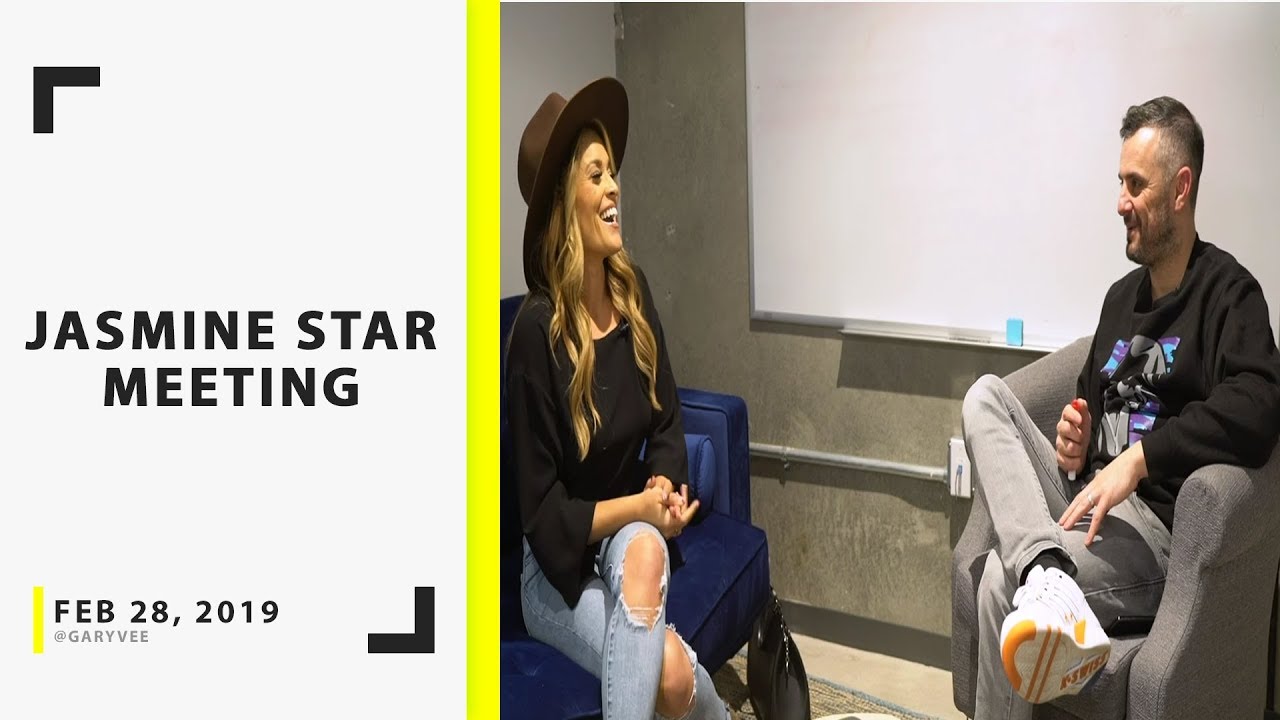
Gary Vaynerchuk sits down with Jasmine Star and tells her the truth she didn’t ask for: her weakness isn’t strategy, it’s not knowing when to hand off the keyboard.
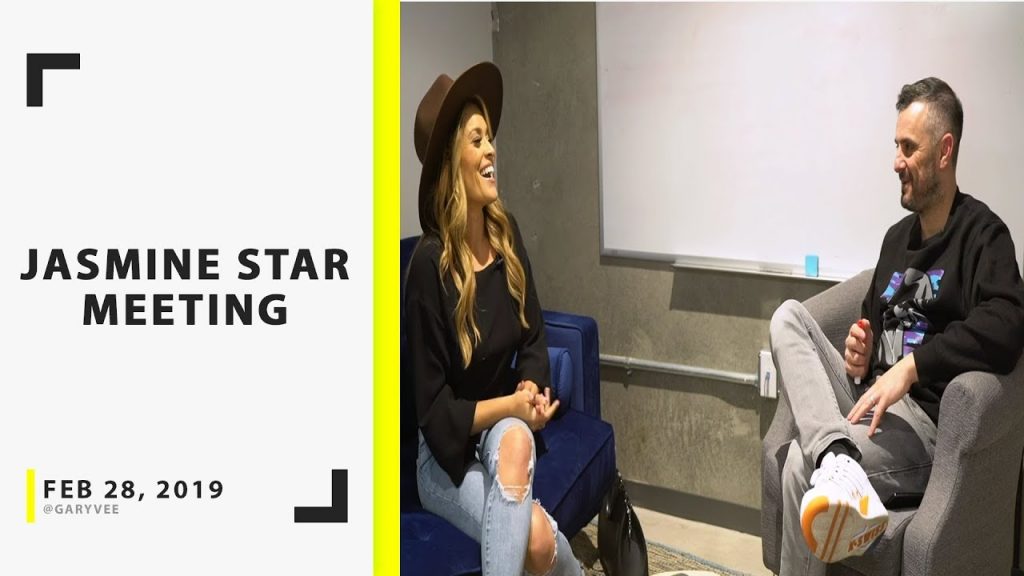
In early 2019, photographer-turned-entrepreneur Jasmine Star walked into Gary Vaynerchuk’s office with a real problem, not a hypothetical one. Her subscription platform, Social Curator, was growing, and she needed to decide whether to build a proprietary app, bring on a technical partner, or find some other path forward. The sit-down was filmed for VaynerMedia’s GaryVee Video Experience series under the title “How to Find the Right Business Partner – GaryVee Meeting With Jasmine Star,” and it plays less like a motivational clip than an actual consulting session.
What makes the conversation useful is that Vaynerchuk doesn’t hand Star a generic partnership checklist. He works through her specific situation as a non-technical founder trying to scale a digital brand, and he keeps steering her back to one question: what are you actually good at, and what are you pretending you’ll get good at eventually?
- Star met Vaynerchuk to get direct advice on scaling Social Curator, specifically whether to build a native app.
- Vaynerchuk urged her to separate her role as creative front and visionary from the operational and technical work the business needed.
- Star later said Vaynerchuk gave her three tactical takeaways: execute on her own advice, stay a student of the market, and partner strategically instead of stretching herself thin.
The App Question
Star’s core dilemma was concrete: should Social Curator invest in a proprietary app? Vaynerchuk didn’t romanticize the idea. He walked through the complexity, capital demands, and resource drain that native app development requires, framing it as a decision that can quietly bleed a growing subscription business dry if it’s made for the wrong reasons. His advice wasn’t “don’t build an app” — it was “don’t build one until you’ve honestly priced out what it costs you in money and focus.”
Radical Self-Awareness as the Filter
Vaynerchuk kept returning to a phrase he’s used across dozens of these sit-downs: radical self-awareness. Applied to Star, that meant getting blunt about where her value actually lives — she’s the face, the storyteller, the visionary who built Social Curator’s audience — and being equally blunt about the technical and operational gaps a co-founder would need to fill.
Know exactly what you’re good at, and stop pretending you’re going to learn to be good at the other thing under deadline pressure.
That framing shows up elsewhere in the GaryVee catalogue and in the broader founder-advice world — it’s the same logic behind pieces like Why I Don’t Have A Business Partner Anymore, where the calculus runs the opposite direction: sometimes the honest self-assessment is that you don’t need a partner at all. Vaynerchuk’s version for Star was the inverse conclusion — she did need one, but only for the specific gap, not for control of the vision.
Vetting a Technical Co-Founder
Once the app question was on the table, the conversation shifted to how Star should actually vet a technical partner. Vaynerchuk’s advice centered on avoiding friction over leadership — bringing in someone who complements her skill set operationally without competing for the creative and strategic seat she already occupies. It’s the same tension that trips up a lot of founder pairings, and it echoes advice found in Mark Cuban’s breakdown of the #1 reason most businesses fail in partnerships — misaligned roles, not misaligned intentions, are usually what sinks a deal.
The Empathy Wines Follow-Up
After the meeting, Star received a gift from Vaynerchuk’s direct-to-consumer wine brand, Empathy Wines. She later cited it as a small but telling example of relationship-first branding — the kind of gesture that reinforces a business relationship without asking for anything in return, which happened to double as a live demonstration of the customer-relationship instincts Vaynerchuk was preaching in the meeting itself.
Star walked out with three specific marching orders — execute her own advice, stay a student of the market, and partner around her weak spots rather than trying to become a technical founder overnight. Whether Social Curator ends up building that app or leaning on an outside technical partner is the next chapter, but the framework Vaynerchuk handed her in that office is the same one he’s given founders in dozens of these sit-downs: know your seat, and don’t hire someone to sit in it with you.




3 Ways to REALLY Make Money in The Stock Market (Insider Tips)*
Why I left my $200k job as a Software Developer
Why I left my $200k job as a Software Developer
A Simple Japanese Money Trick to Become 35% Richer
Making Use of a PDF Editor