

 InfoSearched
Picking a web address that customers can actually spell is harder than it sounds.
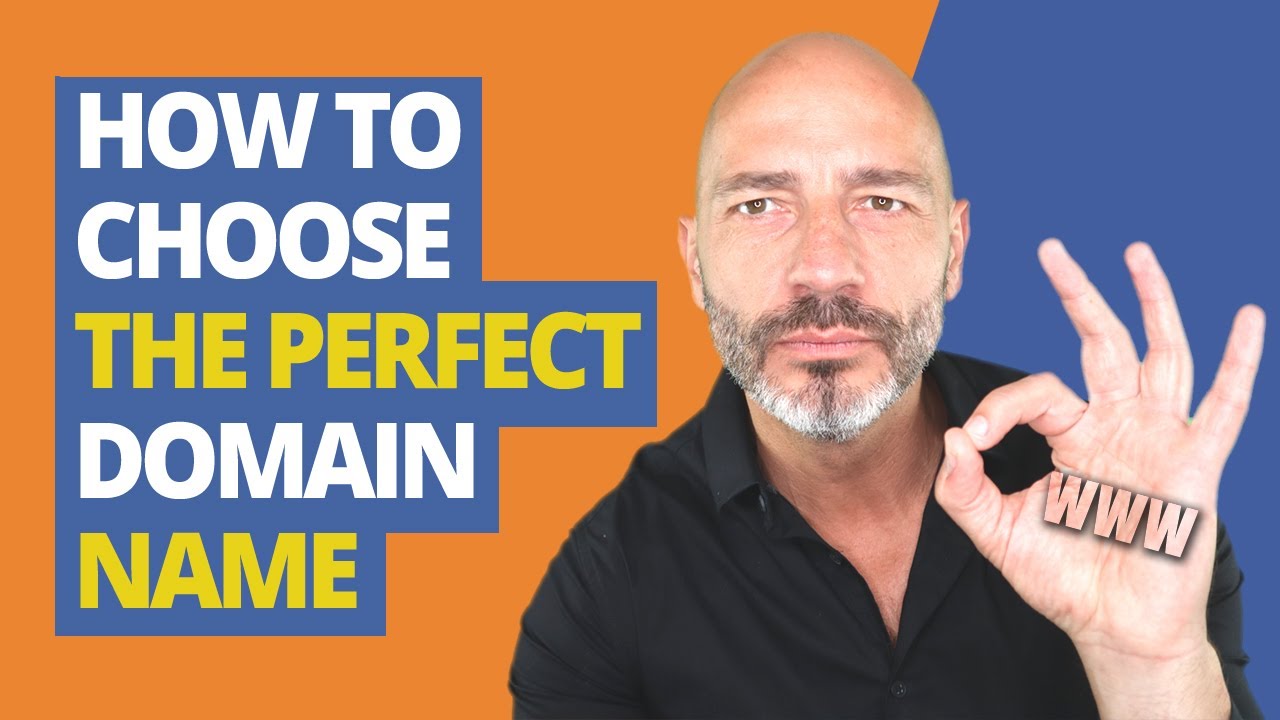
Luc Durand, the SEO trainer behind Ranking Academy, built his tutorial “How to Choose the Perfect Domain Name for your Local Business” around a problem every local shop owner eventually hits: the name they love on a sign doesn’t always work as a URL. His video walks through the trade-offs between brandable names, exact-match domains, and partial-match domains, and lays out concrete rules for picking a web address that customers can actually type into a browser without botching it.
- Durand uses a real case study — a business called “Otway Valley Trading Company” that wanted www.otwaytrading valleycompany.com — to show how a four-keyword domain creates spelling errors and an unwieldy email address like [email protected].
- The tutorial’s core rules cover length, the “radio test” for spelling and pronunciation, keyword and geo-targeting balance, and prioritizing standard TLDs such as .com or country-specific extensions like .co.uk.
- Durand notes that domain keywords no longer function as an algorithmic shortcut for search rankings, but a clear, concise, brand-aligned name still matters for click-through rates and brand protection.
The Otway Valley Problem
Durand’s example is instructive precisely because the client’s instinct wasn’t unreasonable — he wanted a domain that matched his company name exactly. The trouble is that “Otway Valley Trading Company” packs four keywords into a single string, and Durand walks through why that backfires: customers misspell “otway” as “ottway,” the URL is too long to type reliably, and the resulting email address becomes a mouthful nobody wants to read aloud over the phone. Stick to one or two keywords, he advises, not four.
The lesson generalizes past this one case. Any local business tempted to cram its full legal name into a domain runs into the same friction — longer strings mean more typos, more abandoned browser attempts, and clunkier internal communication once staff start handing out email addresses tied to that domain.
The Radio Test
Durand’s shorthand for simplicity is what he calls the radio test: if you can’t say your domain name out loud and have someone spell it correctly without seeing it written down, it’s too complicated. That rules out hyphens, numbers, and slang. A domain like ace-accounting.com usually exists only because aceaccounting.com was already taken, and Durand treats hyphenated fallbacks as a last resort rather than a first choice.
Stick to one or two keywords for your domain name.
Numbers create the same ambiguity — a business called “3 Phones” leaves customers guessing whether the domain is threephones.com or 3phones.com, so Durand recommends registering both the numerical and spelled-out versions when a number is unavoidable.
Balancing Keywords Against Brand
For local companies, Durand frames domain choice as a tension between brand identity and searchable intent. A service-and-city combination can signal exactly what a business does and where — useful for a plumber or a landscaper trying to be found — but overstuffing a domain with industry keywords produces the same spammy, hard-to-remember result as the Otway Valley example. He points to businesses running thesaurus.com searches for alternatives when a preferred exact-match name is already registered, swapping “exciting” for “breathtakingly sensational” rather than settling for a hyphenated compromise. Building out a proper site once the name is locked in is its own project, and resources like this guide to building a website the easy way cover that next step.
The Continued Importance of TLDs
Durand’s final principle is extension choice. He advises businesses to prioritize standard top-level domains — .com in most markets, or a relevant country-code extension such as .co.uk for a British business — because familiar TLDs establish immediate trust and geographic relevance for local customers. That trust factor plays into everything downstream of the domain itself, from click-through rates in search results to how the brand gets found in the first place; anyone setting up the technical side after locking in a name can find a rundown of free SEO tools worth using to check how the new domain performs.
Durand is careful to separate the branding argument from the ranking argument: cramming keywords into a domain hasn’t been an algorithmic shortcut for years, and he doesn’t pretend otherwise. What he’s selling is narrower and more durable — a name short enough to survive the radio test, simple enough to survive a business card, and standard enough in its extension that a first-time visitor trusts it before the page even loads.








How to Choose the Right Business Partner
The Uniqueness of a Hybrid Business Model
Inventory Systems and Inventory Costing Methods | Principles of Accounting
Why Millennials Love Gucci
This Is How Much YouTube Paid Me For My 1,000,000 Viewed Video (not clickbait)