

 InfoSearched
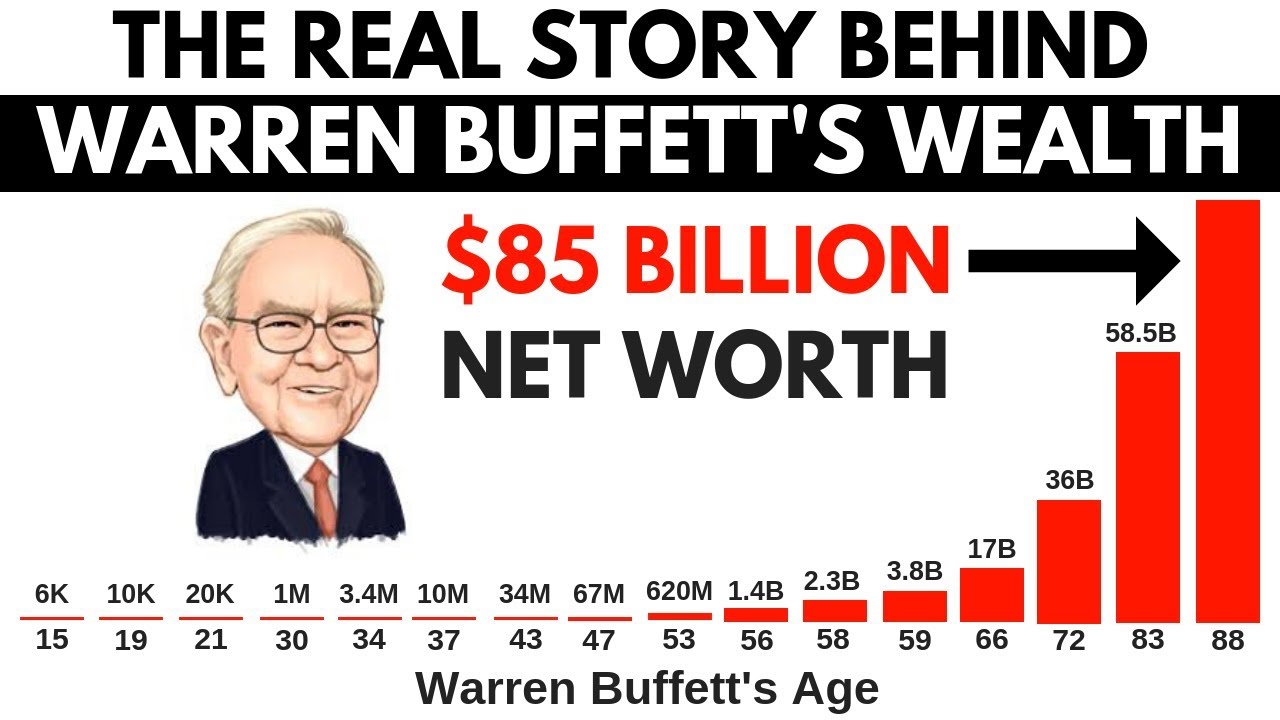
The real story behind Warren Buffett’s $85 billion fortune has almost nothing to do with picking hot stocks.
The popular version of the Buffett myth goes like this: a kid buys his first stock at 11, studies value investing under Benjamin Graham, and rides decades of smart buy-and-hold picks to become one of the richest men alive. That version isn’t false, exactly — it’s just incomplete. The math behind Buffett’s actual net worth points to two mechanisms rarely mentioned in the hero-worship version of his career: leverage from insurance float and performance fees on other people’s money, compounded over an almost unbelievably long runway.
- Personal stock picking alone could have made Buffett a millionaire — not a man worth $85 billion.
- Buffett’s early fortune came from running Buffett Partnership Ltd., where he collected substantial performance fees on his partners’ gains, not just his own trades.
- More than 95% of his total fortune was built after his 60th birthday, and over 99% after he turned 50.
The Partnership Years Before Berkshire
Buffett founded Buffett Partnership Ltd. in 1956, and this — not Berkshire Hathaway — is where his first serious money was made. Running the partnership like an early hedge fund, Buffett didn’t just invest his own capital; he managed money for a group of outside limited partners and took a cut of the upside. That fee structure, layered on top of already strong returns, is what separates a good personal investor from a man building generational wealth in his twenties and thirties.
The value-investing framework he learned from Benjamin Graham — buying companies for less than their intrinsic worth — mattered, but the structure of the partnership mattered just as much. Taking performance fees off other people’s gains is a completely different wealth engine than simply compounding your own paycheck in the market, and it’s the first piece of the puzzle that the “just buy and hold” version of the Buffett story leaves out.
Insurance Float as a Leverage Machine
Buffett’s 1965 move into Berkshire Hathaway is usually framed as a value bet on a cheap, struggling textile mill. What actually made Berkshire transformative was its insurance subsidiaries — National Indemnity, and later GEICO — because insurance companies collect premiums upfront and pay out claims later. That gap between cash-in and cash-out is called “float,” and it functions like a giant, low-cost loan that Buffett could invest before ever having to pay it back.
Buffett deployed that float with roughly 60% leverage — magnifying his investment returns far beyond what an unleveraged personal portfolio could ever produce.
That leverage is the difference between compounding a stock portfolio and compounding an entire balance sheet. Every dollar of policyholder float Buffett could invest was, in effect, someone else’s money working for him at minimal cost — a structural advantage no retail investor buying shares of Coca-Cola or American Express in a brokerage account has ever had access to.
Time Surpasses Simple Stock Picking
The most striking number in Buffett’s story isn’t a return percentage — it’s an age. More than 95% of his entire fortune was accumulated after he turned 60, and over 99% came after he turned 50. Buffett is a lifelong compounder who has been investing since childhood, but the raw dollar figures show that decades of compounding at scale, on borrowed float and leveraged capital, dwarfed anything his early stock picks generated on their own.
That timeline reframes the “average annual return of 29.5% over 13 years” era of the Buffett Partnership as an important proof of concept rather than the source of the bulk of his wealth. The real acceleration came once Berkshire’s insurance float was fully deployed and simply had decades to keep growing.
Separating the Myth From the Mechanics
None of this erases Buffett’s skill as a stock-picker or the discipline behind his famous line, “Our favorite holding period is forever.” But it does mean the popular narrative — a frugal guy in Omaha who got rich buying and holding great companies — undersells the actual engine: performance fees from managing outside capital early on, then decades of leveraged insurance float compounding at scale. Readers curious about how leverage reshapes ordinary market returns can find a parallel breakdown in the mechanics of leverage trading, and those chasing the broader “secrets of the rich” framing that Buffett’s story often gets filed under might recognize the pattern from how the wealthy actually build fortunes.
Buffett still lives in the same Omaha house he bought in 1958 and still drives a modestly priced sedan — that part of the legend checks out. But the $85 billion figure was never going to come from frugality or good picks alone; it came from running other people’s money for fees in his thirties, then borrowing insurance premiums at scale for the next five decades and letting compounding do what compounding does when you give it that much time and that much leverage to work with.







Starting a Business – Register an LLC or Start Sole Proprietorship
Ergonomics Expert Explains How to Set Up Your Desk | WSJ
Government Relief for COVID-19 Hit Employers: Unlocking ERC Benefits
How does a blockchain work – Simply Explained
Design Your Dream Life Through Passive Income | Alex Szepietowski | TEDxUniversityofYork