

 InfoSearched
Five rules separate the day traders who survive from the ones who blow up their account inside a year.
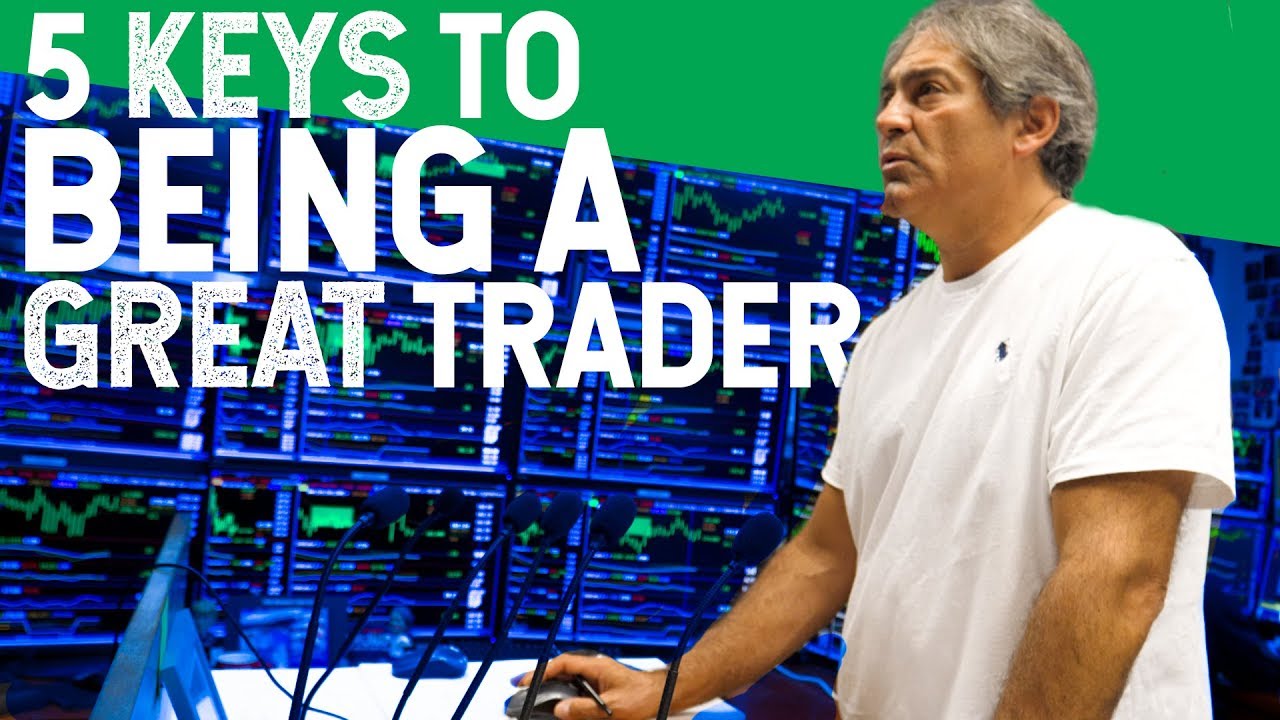
Patrick Wieland, the Florida-based creator behind the “PlanTradeProfit” trading community, built his career on a simple premise: most retail traders lose money not because they lack market access, but because they lack a system. In his video, released under titles including “5 KEYS TO BEING A GREAT DAY TRADER! RULES OF 36 YEAR VETERAN TRADER!” and “HOW YOU CAN BE A GREAT DAY TRADER!”, Wieland breaks down the five habits he says turn an impulsive retail participant into someone who can actually make a living reading charts.
- Wieland, who began day trading in late 2015 and now runs the PlanTradeProfit community, frames his rules around principles drawn from Stephen Kalayjian, a Wall Street trader who started his career in 1983 — a 36-year veteran by the time this video was made.
- The five keys he outlines are: deep market knowledge and technical chart reading, strict discipline and emotional control, predefined risk-management rules, adherence to a structured trading plan, and patience to wait for high-probability setups.
- His central argument is that consistent profitability comes from disciplined trade planning and risk mitigation — not from chasing fast, speculative gains.
The Five Rules Wieland Lays Out
Wieland’s first rule is knowledge: a day trader needs to actually understand what they’re looking at on a chart, not just react to price movement. That means reading technical setups, following industry news, and recognizing patterns before they fully develop. His second and third rules — discipline and predefined risk management — go together in his framework. A trader who hasn’t decided in advance how much they’re willing to lose on a trade is, in his telling, gambling rather than trading.
The fourth rule is sticking to a written trading plan rather than improvising in the moment, and the fifth is patience: waiting for setups that actually meet a trader’s criteria instead of forcing trades out of boredom or fear of missing out. Readers looking for more tactical breakdowns of market approach can check out 3 Ways to REALLY Make Money in The Stock Market (Insider Tips), which covers similar ground on separating strategy from speculation.
Borrowing From a 36-Year Wall Street Veteran
Wieland doesn’t present these rules as his own invention. He credits much of the framework to Stephen Kalayjian, a trader who has been working markets since 1983 — long enough to have traded through Black Monday, the dot-com crash, the 2008 financial crisis, and every volatility spike in between. Anchoring the video’s advice to someone with that kind of tenure is Wieland’s way of arguing these aren’t shortcuts or hacks; they’re the same principles that have kept veteran traders solvent across four decades of changing market conditions.
Successful day trading relies far less on chasing quick speculative profits and far more on strict trade planning, risk mitigation, and disciplined execution.
Discipline Outperforms Rapid Profit Seeking
The throughline across all five rules is that Wieland treats emotional control as the make-or-break factor, more than any single indicator or setup. Fear causes traders to exit winning positions too early; greed causes them to hold losing positions too long or size up trades beyond what their risk plan allows. Cutting losing trades quickly, per his fourth rule, isn’t about being right — it’s about surviving long enough to let the high-probability setups from his fifth rule actually pay off. Traders interested in supplementing chart-reading skills with broader market intelligence might also look at How to Get Insider Trading Info for Free for additional research angles Wieland’s framework doesn’t cover directly.
None of the five rules Wieland lists are novel on their own — every trading book published since the 1980s mentions discipline and risk management. What makes his version resonate with his audience is the packaging: five concrete, ordered steps, tied to a veteran with 36 years on the tape, delivered in the same plain, no-hype register he’s used since he started posting in 2015.








If You Can Hold on for 100 Seconds, You’ll Earn $100. The Most Creative Advertising Campaigns
How to make a cryptocurrency for less than $2
Building a Website the Easy Way
How To Work Less & Be More Productive – Tim Ferriss
Blockchain Explained