

 InfoSearched
That “value meal” at the drive-thru isn’t as cheap as the menu board wants you to believe.
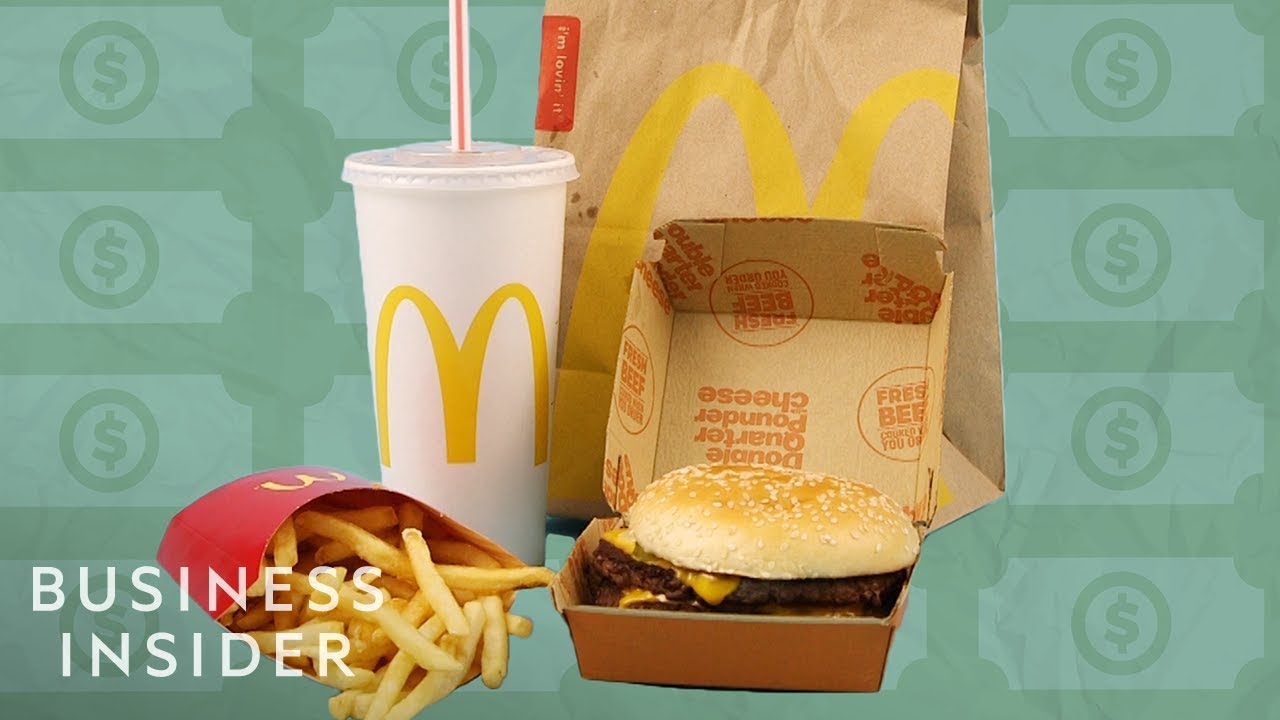
Fast food chains built their entire brand on the idea of the dollar menu, the value meal, the two-for-one deal. But behind the counter and the digital menu board, McDonald’s, Burger King, Wendy’s and their competitors have spent decades refining a science of menu engineering designed to push customers toward the higher-margin item every single time. A Business Insider investigation, “Sneaky Ways Fast Food Restaurants Get You To Spend Money,” breaks down exactly how these chains use visual layout, pricing psychology and scripted upselling to nudge orders upward before a customer even reaches the register.
- High-margin items get prime visual real estate — the top or center of physical and digital menu boards — paired with high-resolution photography to pull the eye away from cheaper options.
- Chains narrow the price gap between medium and large drinks or fries so the upsize looks like an obvious bargain, even though it carries a far bigger profit margin for the restaurant.
- Cashiers and self-order kiosks run scripted upsell prompts — cheese, bacon, a bigger drink, a specific side — engineered to trigger reflexive “sure, why not” responses before the order finalizes.
Menu Layout as a Selling Tool
Menu boards aren’t laid out by accident. According to the breakdown, chains treat the top and center of a menu board the same way a grocery store treats an end-cap display — prime territory reserved for the products that make the most money per order. Expensive, image-heavy combo photos anchor a customer’s eye there first, before cheaper items even register.
This works alongside anchor pricing. A restaurant will feature one expensive signature item to set a mental price ceiling, which makes the mid-tier combo meal look like the smart, economical pick by comparison — even if that combo is still priced well above what the customer originally intended to spend. Dropping the dollar sign from posted prices is part of the same play, a small formatting choice meant to reduce what researchers call the “pain of paying.”
The Decoy Effect on Drinks and Fries
One of the clearest tactics detailed in the video involves fry and drink sizing. Chains deliberately price the large size only marginally higher than the medium — sometimes by as little as a few cents on the menu but far more in margin — so the large looks like an obvious bargain next to the smaller option. Customers upsize because it feels like they’re winning, when in reality the restaurant collects a much bigger profit spread on that extra scoop of fries or ounces of soda.
The bigger size isn’t the deal it looks like — it’s the option engineered to look like the deal.
That’s the decoy effect at work: a strategically priced third option exists purely to make another option look better, not because anyone expects it to be the top seller on its own.
Scripted Upselling at the Counter and Kiosk
“Would you like fries with that?” is the most famous line in fast food, and it’s a template, not an ad-lib. Cashiers are trained on specific upsell scripts, and self-order kiosks are programmed with the same logic — offering cheese, bacon, a size upgrade or an additional side at the exact moment a customer is finalizing an order and least likely to say no. The goal is reflexive compliance: a quick “sure” that adds a dollar or two to dozens of transactions an hour, which scales into real money across a chain’s daily volume.
Scarcity and the Limited-Time Offer
Rotating seasonal items — McRib runs, limited holiday shakes, one-off sandwich promotions — aren’t just about keeping the menu fresh. They manufacture urgency. When an item is framed as available for a few weeks only, customers are more willing to pay a premium and buy now rather than wait, because the fear of missing out overrides the usual price comparison a shopper might otherwise make. It’s the same scarcity principle retailers lean on for flash sales, just applied to a cheeseburger.
Anyone trying to actually stick to a budget at the counter is fighting design choices built by people who study this for a living — the same instinct that makes smart online shopping require slowing down before checkout applies just as much at the drive-thru speaker. And the same discipline that helps shoppers find real deals instead of manufactured ones is exactly what keeps a “value meal” from turning into a $12 order.
None of this is illegal or even hidden, really — it’s printed right there on the menu board in plain sight. The trick is that it works anyway, which is why the same combo meal that looked like $6.99 walking in somehow rings up closer to $9 by the time the bag hits the counter.



A Secret Way Of Getting Traffic
Building a Website the Easy Way
What is Blockchain Technology? (In Simple Terms)
Having a Business Partner vs Going Solo
How to Find and Buy a Foreclosed Home