

 InfoSearched
A peel-and-stick pitch turned into one of Shark Tank’s biggest team-ups.
Doug Marshall walked into the Tank with his kids by his side and a stack of temporary face tattoos, not a headset or an app. The Dallas–Fort Worth entrepreneur was there to sell the sharks on The Gameface Company, his patented alternative to smeared, sweaty face paint at football games, deer stands and Halloween parties. What came out of that pitch was one of the more unusual joint offers in the show’s history.
- Marshall sought $450,000 for a 25% stake in The Gameface Company during Season 4, Episode 412, which aired in January 2013.
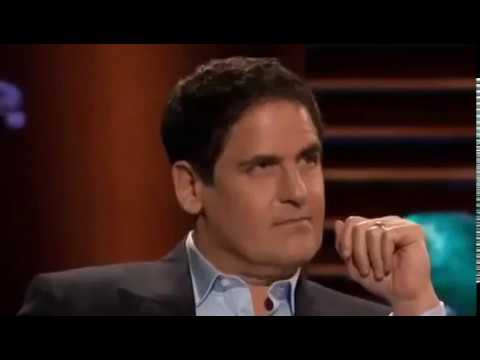
- Mark Cuban and Lori Greiner combined forces to offer $450,000 for 35% equity (17.5% each), plus an $80,000 annual salary for three years and a 10% royalty until their investment was repaid.
- By late 2015, under Cuban’s team, Gameface had expanded distribution to more than 25 countries and grown sales by 300 percent.
The Product Behind the Pitch
Marshall founded The Gameface Company in 2008 around a simple problem: traditional face paint runs, smears and takes forever to wash off. His fix was a patented, peel-and-stick temporary tattoo and mask designed for sports fans, hunters and Halloween costumes — something that goes on clean and comes off just as easily. On camera, Marshall demonstrated exactly that, peeling the masks off his own children to show the sharks how mess-free the product actually was.
He wasn’t chasing a hobby business. Marshall told the panel he wanted to quit his day job and go after licensing deals with major sports leagues, and he needed capital to make that jump. That’s the ask that set up the rest of the episode: $450,000 for a quarter of his company.
Two Sharks, One Offer
Rather than compete against each other, Cuban and Greiner joined forces on Gameface. Their combined offer matched Marshall’s $450,000 ask in dollar terms but asked for more equity — 35% total, split evenly at 17.5% apiece — while also guaranteeing Marshall an $80,000 salary for three years. In return, they’d collect a 10% royalty on sales until their investment was paid back.
$450,000 for 35% equity, an $80,000 salary for three years, and a 10% royalty until repaid — the joint Cuban-Greiner terms Marshall accepted.
The “million dollar” framing that followed the episode wasn’t a single check — it’s how Marshall and later coverage described the full package once you stack the equity value, salary guarantee and capital support together. It was enough of a commitment that outlets covering the deal treated it as a rare seven-figure-tier structure for the show at that point in its run.
Life After the Tank
Marshall took the joint deal. From there, Cuban’s team went to work on the operational side of the business — the kind of hands-on restructuring that’s become one of his signatures as an investor, the same instinct that shows up whenever Cuban talks about why most small businesses actually fail. The results were tangible: by late 2015, Gameface had pushed its distribution footprint past 25 countries and tripled its sales, a 300% jump from where the company stood at the time of the pitch.
For a founder who walked into the Tank asking to fund a career change, that’s the outcome that mattered — a niche peel-and-stick product turned into an internationally distributed line, backed by two sharks who saw a licensing business instead of a novelty item.




This Is Why You Don’t Succeed – Simon Sinek on The Millennial Generation
Merchandise Life Cycle for Small Retail Businesses and Small-Batch Manufacturers
How Much Money Does My Small 9,000 Subscriber YouTube Channel Make?
Fashion Merchandising Careers
The Incredible Story of The PayPal Mafia