

 InfoSearched
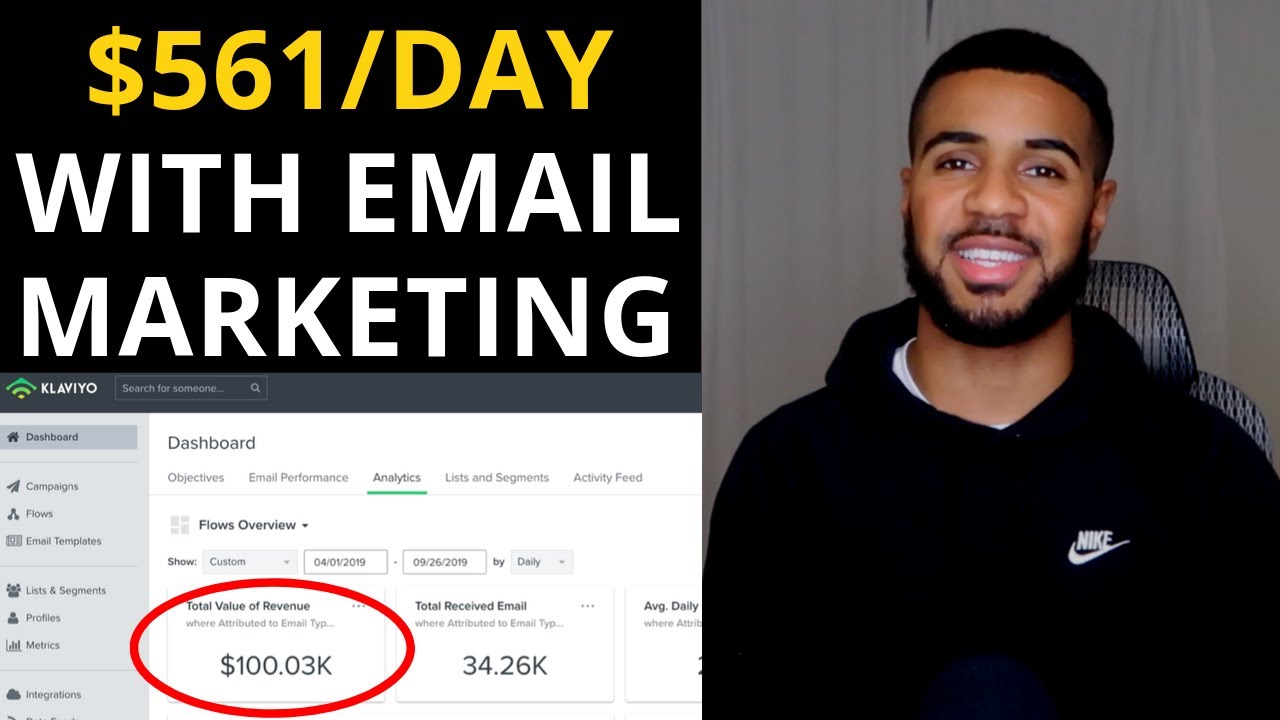
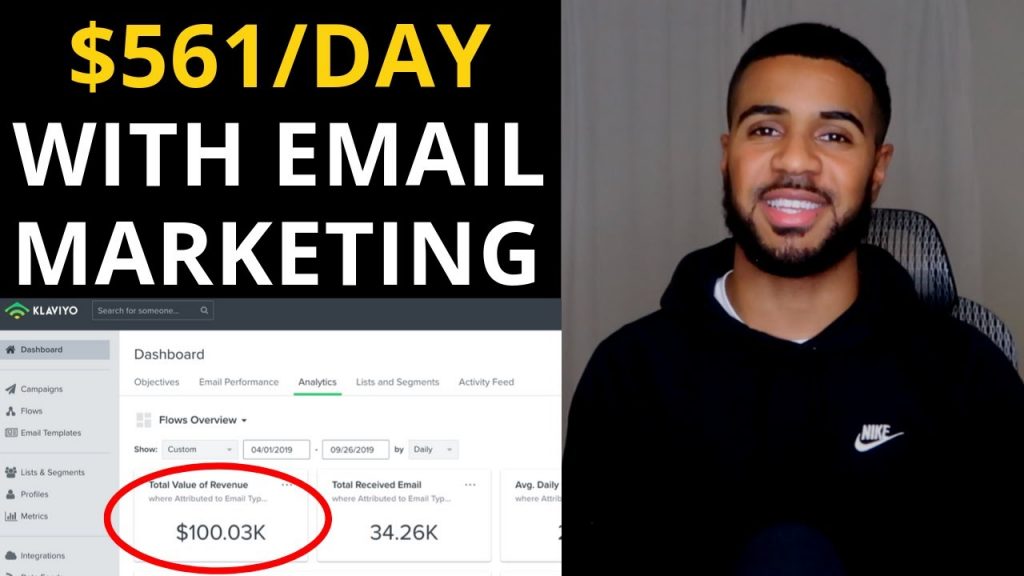
An e-commerce consultant says he squeezed an extra $561 a day out of a list store owners already had — no new ad spend required.
Juan Valdez, founder of the e-commerce consultancy Omni Media, built his tutorial “How To Make An Extra $561 Per Day W/ Email Marketing | eCommerce” around a simple premise: most direct-to-consumer stores are sitting on an email list they barely monetize. Instead of pushing store owners toward bigger Facebook or Google budgets, Valdez walks through the automated flows he says turn existing subscribers and existing traffic into a predictable revenue stream.
- Juan Valdez, an e-commerce consultant and founder of Omni Media, presents the $561-per-day figure as a case-study benchmark for incremental revenue from automated email flows.
- The tutorial centers on three core sequences — abandoned-cart recovery, welcome series, and customer retention campaigns — built to monetize a store’s subscriber list without increasing paid acquisition spend.
- The pitch is aimed squarely at DTC storefronts looking to convert traffic they already have rather than buy more of it.
The $561-a-Day Benchmark
Valdez frames the $561 figure not as a one-time windfall but as a daily average generated once the right flows are switched on and left running. For a DTC store, that kind of number is the difference between email being an afterthought and email becoming one of the top revenue channels alongside paid ads, right up there with strategies discussed in how one dropshipper turned $400 into $1.3 million. The math is straightforward: automated sequences don’t require new spend, so every dollar they recover drops almost entirely to margin.
The Automated Sequences That Do the Work
Rather than one-off promotional blasts, Valdez breaks the system into three standing flows. The abandoned-cart recovery sequence targets shoppers who add items and leave without checking out — historically one of the highest-converting emails a store can send because the buyer has already shown intent. The welcome series greets new subscribers with a structured intro to the brand instead of a single discount code, and the retention campaign keeps past buyers coming back without relying on fresh traffic acquisition, a point that echoes the broader case for getting more out of traffic a store already has rather than constantly chasing new visitors.
Set the flows once, and the $561 a day keeps showing up whether you’re actively marketing that day or not.
List Monetization Outperforms Increased Ad Spend
The underlying argument in Valdez’s tutorial is that most stores overspend on acquisition and underspend on the follow-through. A subscriber who’s already opted in, or a customer who’s already bought once, costs nothing extra to reach again — the only investment is in building the sequence correctly. That logic mirrors how sellers approach choosing products to sell online in the first place: the highest-margin move is usually the one that doesn’t require new spend, just a better system for what’s already there.
Testing as the Difference-Maker
None of the three flows work on autopilot forever, and testing is where Valdez says stores separate a $561 day from a break-even one. Subject lines, send times, and email layout all get tested against subsets of the list before a sequence goes live to the full subscriber base. Mobile rendering matters just as much — a welcome email that displays cleanly on desktop but breaks on a phone screen loses opens before it ever gets a click. Broken links, missing images, and misfiring call-to-action buttons are the kind of technical failures that can quietly cap a flow’s performance well below what it should be earning, and catching them before a full send is what keeps the retention and cart-recovery sequences compounding instead of stalling out.
Valdez’s larger point is that the $561 figure isn’t a ceiling — it’s what happens when a store finally turns on the sequences most of them have been ignoring. For any DTC operator watching the video, the next move is the same one he outlines: audit the list, get the abandoned-cart flow live first since it converts fastest, then layer in welcome and retention once that baseline number is proven out.





The World’s Youngest Billionaire
Proven Ways to Earn Money Online!
What It’s Like On The Longest Flight In The World On Singapore Airlines
3 POWERFUL Ways To Profit From Your BLOG… Starting TODAY!
Choosing The Right Merchant Account Provider