

 InfoSearched
The rich don’t budget their way to wealth — they buy assets while everyone else buys liabilities and calls it “getting ahead.”
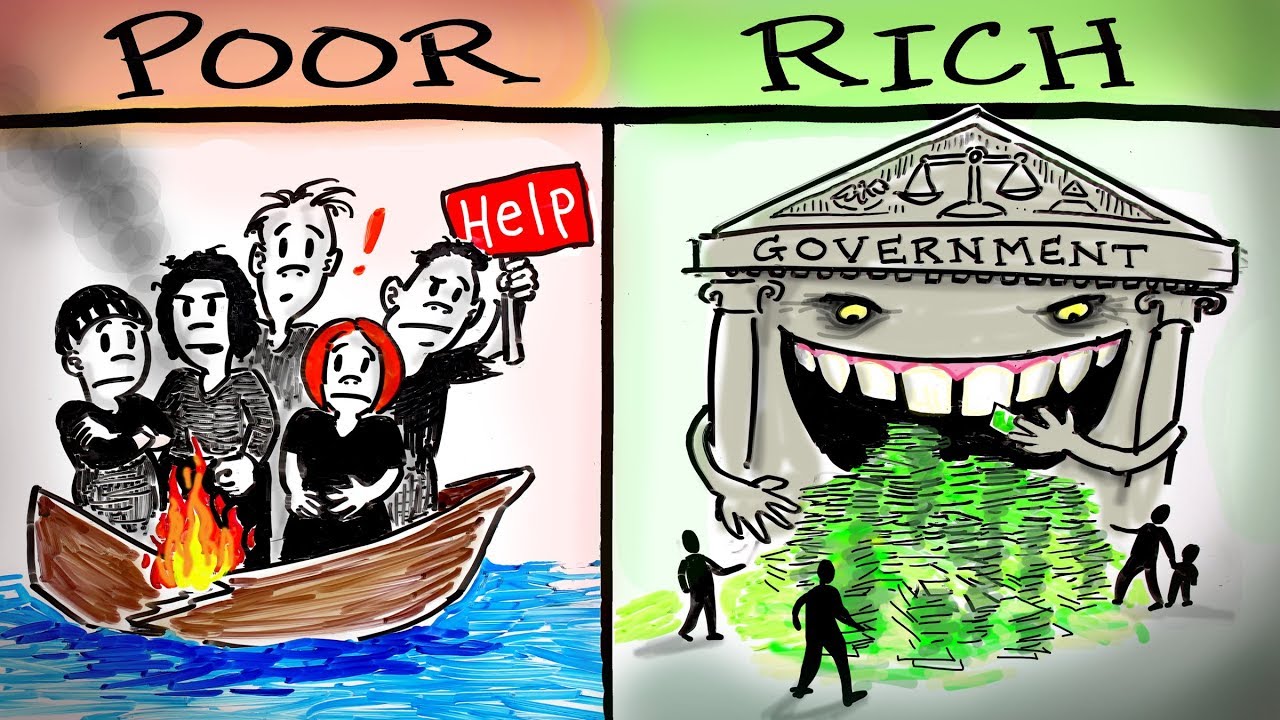
The whiteboard animation channel After Skool built its video “The Greatest Secret Of The Rich” around a single distinction that Robert Kiyosaki has been hammering since his 1997 book Rich Dad Poor Dad hit shelves: the difference between an asset and a liability. It’s not a budgeting video, and it’s not a hustle-culture pep talk. It’s a breakdown of why the poor stay broke, why the middle class mistakes debt for progress, and why the wealthy structure their entire financial lives around one column of a ledger.
- The video’s central framework, drawn from Kiyosaki’s teaching, defines assets as things that put money in your pocket — real estate, businesses, stocks, intellectual property — and liabilities as things that take money out, including consumer loans, depreciating cars, and mortgaged homes people wrongly count as investments.
- It maps three financial patterns: the poor cover basic expenses only, the middle class accumulates liabilities disguised as assets, and the rich direct their effort almost exclusively toward acquiring income-generating assets.
- A second pillar of the video contrasts the employee’s tax sequence — Earn, Pay Taxes, Spend — with the business owner’s sequence — Earn, Spend, Pay Taxes — showing how corporate structures let the wealthy cover legitimate expenses with pre-tax dollars before the IRS gets a cut.
Assets Versus Liabilities, According to Kiyosaki
The video’s whiteboard sequence isn’t subtle about where it draws the line. Real estate that generates rent, ownership stakes in businesses, dividend-paying stocks, and licensed intellectual property all go in the asset column because they generate cash flow without requiring the owner’s constant labor. Car payments, credit card balances, and — the one that trips up most viewers — a mortgaged primary residence all land in the liability column, because money flows out of the owner’s pocket every month regardless of what the property is theoretically “worth.”
That third example is the one Kiyosaki has spent two decades defending against critics who insist a house is obviously an asset. His argument, repeated throughout the video, is that an asset is defined by cash flow direction, not by resale value or emotional attachment. A home with a mortgage, property taxes, insurance, and maintenance costs is pulling money out of the household every single month until it’s paid off — which by his definition makes it a liability no matter how much equity is theoretically sitting inside it.
Three Financial Patterns, One Rat Race
The video sorts households into three simple behavior patterns rather than income brackets. The poor spend what they earn on basic living expenses and rarely get past that stage. The middle class earns more, but sinks the surplus into liabilities they’ve been sold as upgrades — a bigger house, a newer car, more debt serviced by a paycheck that’s already been taxed. The rich skip that step entirely and funnel spare capital into assets that then fund the next round of asset purchases.
That loop is what Kiyosaki calls escaping the rat race: instead of working for money, the goal is to make money work by buying things that produce more of it. Readers looking for the fuller version of that argument, straight from Kiyosaki himself, can find it in The Biggest Trap People Fall Into, where he lays out why chasing a bigger salary without changing the asset column keeps people stuck.
Earn, Pay Taxes, Spend — versus Earn, Spend, Pay Taxes.
The Tax Sequence That Separates Employees From Owners
The second half of the video shifts from asset-building to the mechanics of taxation, and this is where the corporate-structure argument comes in. An employee’s income is taxed the moment it’s earned — before rent, groceries, or anything else gets paid — leaving them to survive on whatever’s left after withholding. A business owner or corporation flips that sequence: revenue comes in, legitimate business expenses get paid first with pre-tax dollars, and taxes are calculated only on what remains.
According to the video, that structural gap — not raw income — is a major reason two people earning the same amount can end up with wildly different net financial positions after a decade. It’s the same principle Kiyosaki explores in Fake Money Is Making You Poorer, where he argues that the traditional advice to save and stay employed leaves people exposed to a tax and inflation environment stacked against them.
Financial Literacy Over Salary
The video’s closing argument is less about any single investment and more about skill-building: sales, investing, and accounting are presented as the practical toolkit the rich actually use, as opposed to credentials that simply qualify someone for a bigger paycheck. Kiyosaki’s framing throughout treats calculated risk-taking and financial literacy as trainable skills rather than traits people are born with, which is the same logic behind advice collected in Multi-Billionaire Explains his Simple Steps to Success.
None of it is presented as fast money. The video is explicit that working primarily to learn — treating a job as a training ground for skills rather than a source of comfort — is the slower, less glamorous version of the same secret, and it’s the one Kiyosaki insists actually compounds.




Why I Don’t Have A Business Partner Anymore
Ergonomics Expert Explains How to Set Up Your Desk | WSJ
How much I pay in taxes on a $163,800 per month income
This Is How Much YouTube Paid Me For My 1,000,000 Viewed Video (not clickbait)
3 POWERFUL Ways To Profit From Your BLOG… Starting TODAY!