

 InfoSearched
A twenty-something landlord managing 102 tenants breaks down the math that most investors never bother to run.
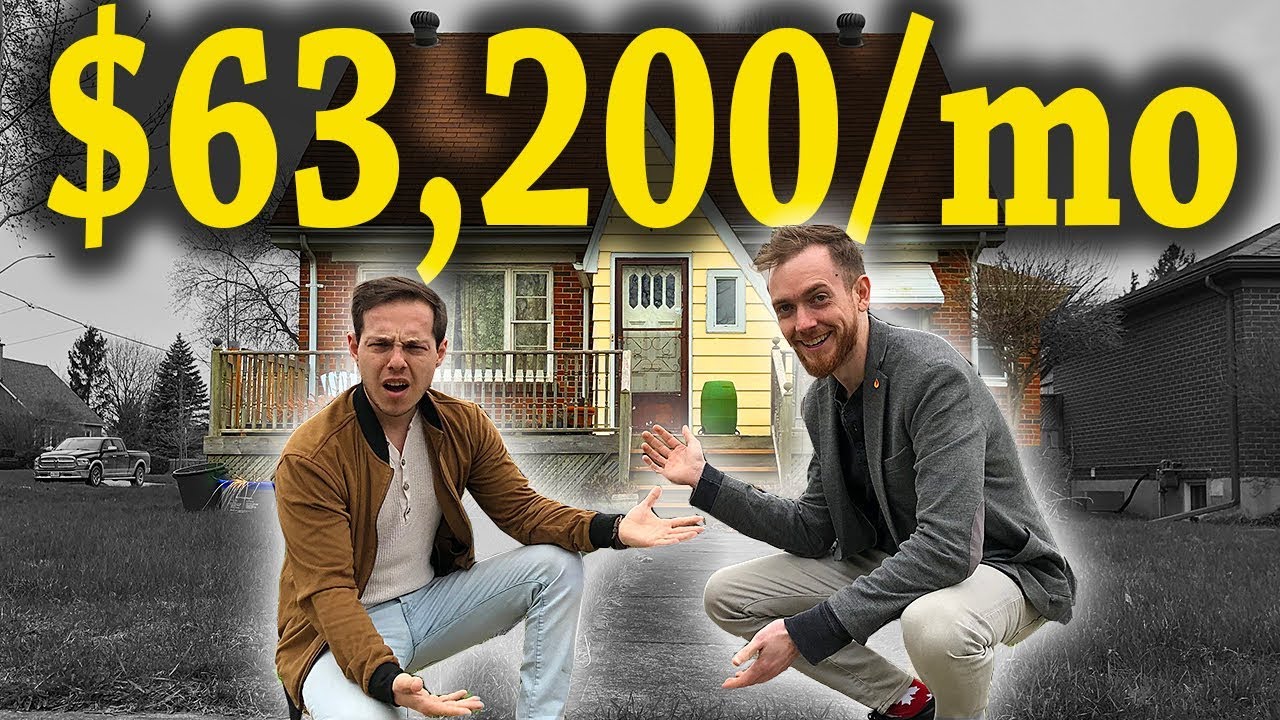
Graham Stephan’s YouTube channel has built its audience on breaking down other people’s balance sheets, and his profile “Meet The Real Estate Investor With 102 Tenants” turns that lens on Chandler David Smith, a young investor who has quietly built a rental empire across Idaho. Rather than another flipper chasing a quick single-family sale, Smith has assembled a portfolio of multi-family and student housing complexes that now houses over 100 renters. Stephan uses the interview to pull apart exactly how that scale happened — and what it actually costs to run.
- Smith financed his first properties with capital earned managing door-to-door sales teams, then funneled those earnings directly into real estate rather than into flips.
- He built his portfolio around multi-family and student-housing complexes in Idaho instead of single-family homes, using value-add renovations to push up rents on each acquisition.
- The portfolio Stephan profiles now covers 102 tenants, managed through an in-house team rather than outsourced property managers.
From Door-to-Door Commissions to Down Payments
Smith’s path into real estate didn’t start with a family trust fund or a finance degree — it started in sales. According to the interview, he built his early capital managing door-to-door sales operations, then took those commissions and put them straight into down payments on rental property instead of spending them. That discipline, reinvesting income rather than lifestyle creep, is the same principle Stephan has hammered on in other profiles of young earners, including his breakdown of how a $400 stake turned into $1.3 million through relentless reinvestment.
Smith skipped the starter-home route entirely. Instead of buying one house, renting it, and slowly saving for a second, he moved toward multi-tenant properties from the beginning — a decision that let each acquisition generate several rent checks instead of one.
Multi-Family Investments Outperform Home Flipping
The bulk of Smith’s portfolio is built on multi-family residential complexes and student housing properties rather than the single-family flips that dominate most real estate content. Buying buildings with a dozen or more units at once let him scale tenant count far faster than buying and renovating individual houses one at a time — the same math Stephan explores in his guide to finding and buying distressed property, just applied at a larger unit count.
Value-add renovations are central to the model: Smith buys underperforming buildings, upgrades units, and raises rents to reflect the improved product, then uses the higher net operating income to refinance and pull capital for the next deal.
102 tenants, one landlord in his twenties, and a rent roll built entirely on multi-family units instead of single-family flips.
The Math Behind Managing 100-Plus Units
Stephan’s interview digs into the operational side that most aspiring investors never plan for — vacancy reserves, tenant turnover, and financing structure. Smith relies on local bank financing rather than large institutional lenders, a route that keeps loan terms flexible for a growing regional portfolio but requires strong personal relationships with community lenders willing to underwrite repeat deals.
Rather than outsourcing to a third-party property management company, Smith runs an in-house management system to oversee the day-to-day of more than 100 units — leasing, maintenance requests, turnover between tenants — which keeps costs down but demands the kind of organizational systems that most “mom-and-pop” landlords with two or three doors never have to build.
Avoiding the Overleverage Trap
The interview repeatedly returns to a warning as much as a lesson: scaling a rental portfolio this fast can just as easily bury an investor in debt if cash flow isn’t protected first. Smith’s approach leans on maintaining vacancy reserves and cash flow cushions across the portfolio before chasing the next acquisition, rather than stretching every property to its financing limit. It’s the same overleveraging risk Stephan flags for viewers chasing passive income through property without first running the numbers on what happens when a building sits half-empty for a month.
For Smith, the discipline is what turned door-to-door sales commissions into a 102-tenant portfolio without a single deal blowing up the balance sheet — reinvest the cash flow, keep the reserves funded, and let the next multi-family acquisition come from equity already built, not from stretching the bank for one more loan.







Email Marketing
Elon Musk on WEED & How His BRAIN Works
How to Find the Right Business Partner – GaryVee Meeting With Jasmine Star
Make Hybrid Cloud Work for Your Business
What is a Partnership?