

Alexander Wang Explains How He Balances The Creative And Business Sides Of His Global Fashion Empire
 InfoSearched
Alexander Wang built a fashion label at 20 without ever losing the war between the studio and the balance sheet.
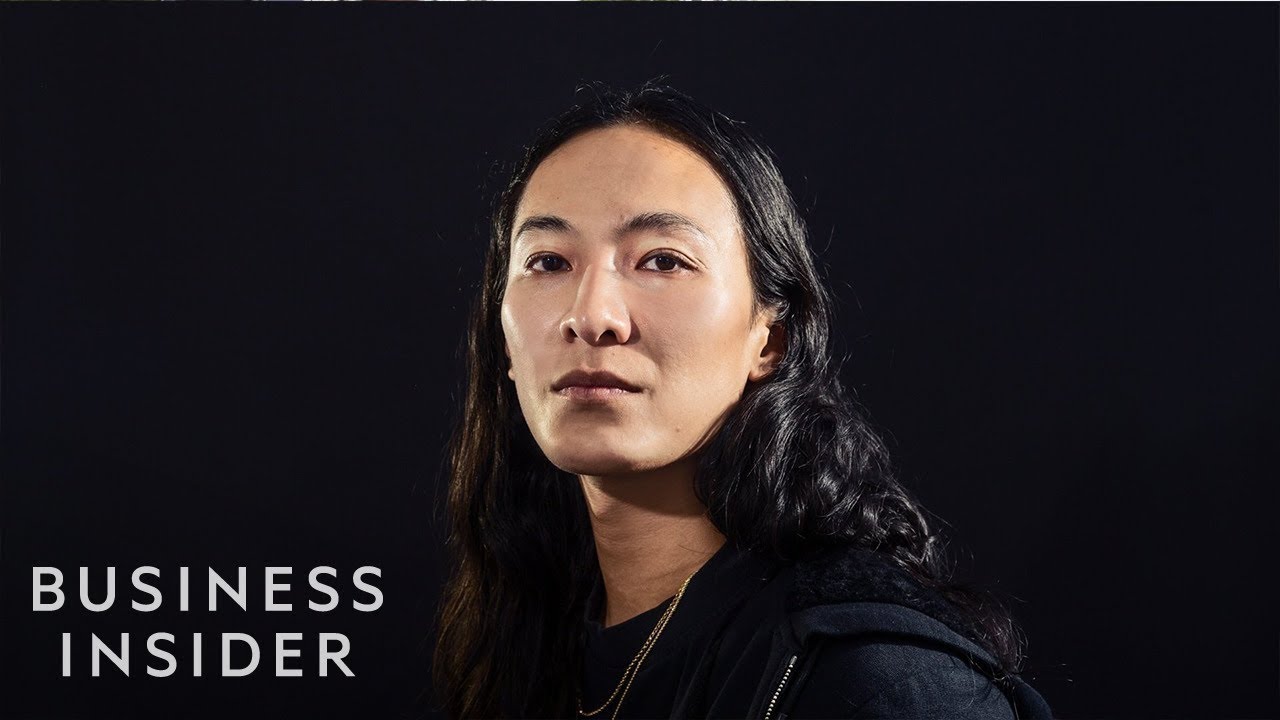
In a new excerpt from Business Insider’s “This Is Success” podcast, host Richard Feloni sits down with designer Alexander Wang to unpack how he runs a global brand without letting the creative side and the commercial side operate as separate departments. The conversation, taped in late July 2019 and released as a standalone video on August 1, 2019, gets into the mechanics of how Wang actually makes decisions when a runway idea has to survive contact with a P&L. He’s blunt about it: creative problem-solving gets applied to business headaches, and business discipline gets baked into the design process from day one, not bolted on after the fact.
- Wang launched his eponymous label in 2005 at age 20 after leaving Parsons School of Design.
- He served as creative director of Balenciaga in Paris from late 2012 to 2015, running that house alongside his own brand.
- In 2016, Wang formally took over as CEO and chairman of his own company, succeeding his mother and sister-in-law to consolidate the business and creative leadership under one roof.
No Wall Between the Studio and the Spreadsheet
The core of Wang’s answer to Feloni is a rejection of the idea that designers should stay in their lane while executives handle the money. He describes deliberately pushing creative thinking into commercial problems — pricing, production, retail strategy — instead of treating those as someone else’s job. The flip side is just as deliberate: business logic gets folded into the design process itself, so a collection isn’t judged as “art first, commerce later” but built with market viability in mind from the sketch stage.
That approach traces back to how the label started. Wang was 20 and had just left Parsons when he put out his first collection in 2005, which meant he was learning brand-building and design at the same time, with no gap between the two disciplines to begin with. Entrepreneurs building multi-line ventures from scratch often describe the same collapsing of “creative decision” and “business decision” into a single call, a theme that comes up in Scentbird’s founder’s account of scaling a subscription brand from an idea into a company with real operating constraints.
Running Two Design Houses at Once
Wang’s credibility on this subject isn’t theoretical — from late 2012 to 2015 he was creative director at Balenciaga in Paris while still running his own label in New York. That stretch forced him to switch between two entirely different commercial contexts: a century-old French luxury house with its own heritage and customer base, and his own younger, streetwear-inflected brand chasing a different audience. Managing both simultaneously is the kind of test that either breaks a designer’s process or sharpens it, and Wang points to that period as part of what shaped how he now separates noise from useful feedback.
Creative problem-solving gets applied to commercial challenges, and business acumen gets built directly into the design process — not treated as two separate jobs.
Taking the CEO Title Himself
In 2016, Wang made the leadership structure formal by taking on the CEO and chairman roles at his own company, stepping into positions previously held by his mother and sister-in-law. That move centralized both the artistic and executive decision-making under one person, which is precisely the setup that makes his comments to Feloni about “creative vs. business” more than an abstract talking point — he’s the one signing off on both sides now. It’s a structural echo of what other founder-CEOs describe when they talk about running a business profitably without splitting authority between competing camps.
Filtering the Noise
Feloni’s interview also gets into how Wang decides which criticism to act on. Running a brand with a global retail footprint means constant feedback — from press, from retail partners, from social media — and Wang describes learning to separate the noise from the signal so that only relevant criticism actually changes what he does next season. That filtering process, paired with a willingness to take calculated commercial risks, is what he credits for keeping the label’s identity consistent even as the business around it has scaled.
The full conversation runs as part of “This Is Success,” Business Insider’s ongoing interview series with Feloni, and this clip is just the excerpt built around Wang’s balancing-act answer specifically. For anyone tracking how founder-led fashion brands actually get run day to day rather than how they look on a runway, it’s a rare few minutes of a designer talking operations instead of aesthetics.








How To Find The Best Stocks To Trade Everyday!
Top Ten Ways To Get Tons Of Traffic
Social Media Lifestyle Content
This Is Why You Don’t Succeed – Simon Sinek on The Millennial Generation
A Secret Way Of Getting Traffic