

 InfoSearched
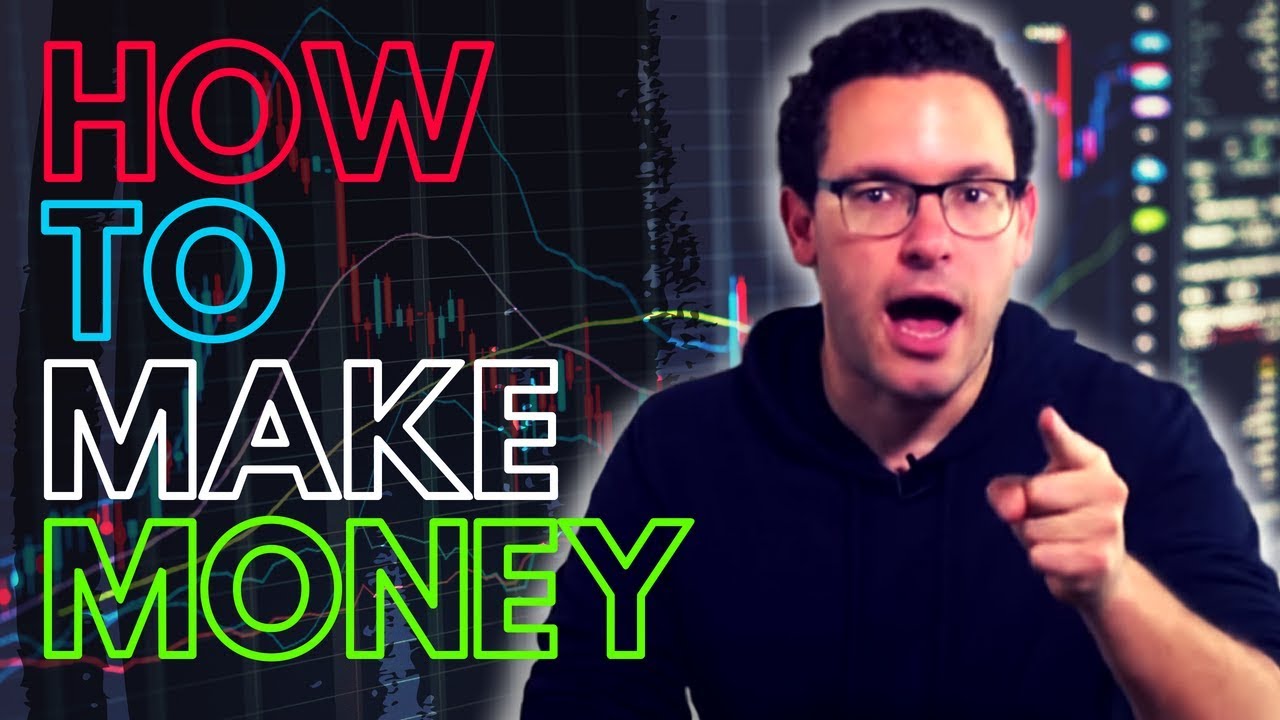
Timothy Sykes says the buy-and-hold crowd is playing the wrong game entirely.
In his video “3 Ways to REALLY Make Money in The Stock Market (Insider Tips)*,” the self-made penny stock trader lays out a methodology that has nothing to do with dividend reinvestment plans or dollar-cost averaging into index funds. Sykes, who turned a reported $12,415 in Bar Mitzvah gift money into a fortune he says exceeds $4.5 million, argues that real profit in equities comes from exploiting short-term volatility in cheap, thinly traded stocks — not from parking money in blue chips for a decade. His pitch is blunt: forget balance sheets, learn the chart, and be willing to bet against the hype once it collapses.
- Sykes built his reported $4.5 million fortune starting from $12,415 in Bar Mitzvah money, using active penny stock trading rather than long-term investing.
- The first pillar he teaches is prioritizing short-term trading over buy-and-hold investing by exploiting volatility in low-priced stocks.
- The third pillar is short selling penny stocks after promotional pump campaigns run out of steam and the price collapses.
Trading, Not Investing
The first “way” Sykes lays out rejects the standard financial-advisor script outright. Rather than telling viewers to buy and forget, he frames the stock market — specifically the penny stock corner of it — as a venue for short-term trades measured in days or hours, not years. The logic is that low-priced, low-float stocks swing violently on small amounts of volume, and a trader who can read that volatility can extract profit far faster than someone waiting on quarterly earnings growth.
This is a deliberate contrast to the conventional wisdom found in most retail investing content, which leans on patience and diversification. Sykes’ approach instead treats each trade as a discrete, catalyst-driven event, which is why he spends so much time on the second pillar of his method.
Charts and Catalysts Over Balance Sheets
The second technique Sykes emphasizes is technical pattern recognition paired with catalyst identification. Instead of parsing a company’s financial statements, he teaches traders to watch for specific, repeatable setups: morning panic dips, breakout spikes off a base, and stocks reacting to fresh news like a contract announcement or FDA update. The stock’s story matters less than the shape of the chart and the reason a crowd of traders suddenly cares about it that day.
That focus on catalysts over fundamentals is a recurring theme across trading-education content that treats market-moving information as the real edge — the same instinct behind pieces like How to Get Insider Trading Info for Free, which similarly argues that knowing what’s about to move a stock beats reading its 10-K after the fact.
Shorting the Pump
The third pillar is the most aggressive: short selling penny stocks once an artificial promotional surge runs dry. Sykes describes a familiar cycle in the microcap world — a stock gets pumped through newsletters or social media hype, spikes on thin volume, and then craters once the promotion ends and early buyers dump their shares. His strategy is to identify that pattern in progress and bet against the stock on the way down, rather than getting caught holding it during the initial spike.
Cut losses quickly, spot the manipulation, and don’t gamble on a stock’s story — trade the chart in front of you.
That emphasis on discipline runs through all three pillars. Sykes repeatedly stresses risk management — cutting losing positions fast — as the difference between traders who survive the penny stock market and those who get wiped out chasing a pump. It’s a sharper-edged, higher-risk version of the message found in more mainstream wealth content like Warren Buffett – The World’s Greatest Money Maker, except Sykes is explicitly betting against the long-term, buy-and-hold framework Buffett built his reputation on.
The Twelve Thousand Dollar Pitch Foundation
Sykes leans on his own origin story — turning Bar Mitzvah money into a multimillion-dollar trading account — as proof that the three-pillar system works without requiring a finance background or institutional capital. It’s the same framing he’s used across years of trading-education content: the market rewards pattern recognition and risk control, not credentials.
Whether a viewer walks away sold on shorting pumped penny stocks or not, the video’s real argument is narrower than “how to make money in stocks” — it’s a case for treating short-term trading, catalyst-driven charts, and short selling as three separate, learnable skills rather than one vague hustle. Sykes has built an entire teaching business on that distinction, and this video is his condensed version of the pitch he’s been making since he first flipped that $12,415 stake.





How To Avoid Key Online Business Mistakes.
Inventory Systems and Inventory Costing Methods | Principles of Accounting
What is a Partnership?
Make Hybrid Cloud Work for Your Business
How To Run A Profitable Business & Make Money