

 InfoSearched
Blockchain isn’t just Bitcoin’s plumbing — it’s a trust machine that could rewire how society verifies almost anything.
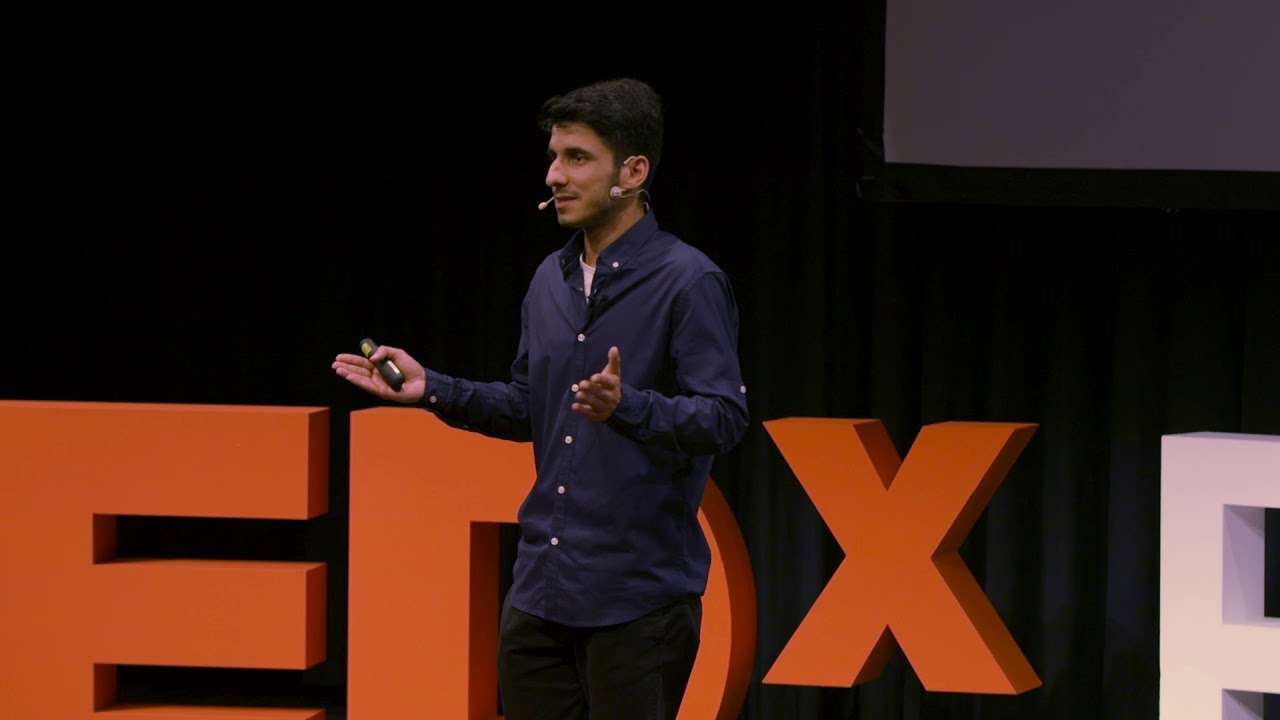
At FHNW School of Business in Switzerland, data analytics and digital strategy professional Ali Raza Dar took the TEDx stage to strip blockchain down to its mechanics and push past the buzzword noise surrounding it. His talk, “What is blockchain and how can it change our society?”, walks a general audience through how a decentralized ledger actually works before pivoting to the harder question: what happens once you apply that architecture outside of cryptocurrency.
- Dar defines blockchain as a decentralized, peer-to-peer digital ledger where data is bundled into blocks and cryptographically linked in sequence.
- Every node in the network holds a synchronized copy of the ledger, and consensus protocols verify each new transaction — removing the need for a central authority or intermediary.
- Beyond Bitcoin, the talk singles out supply chain integrity, healthcare records, digital identity, and voting systems as sectors where the technology’s transparency and immutability could matter most.
Breaking Down the Ledger
Dar’s explanation centers on a simple mechanical idea: transactions get grouped into blocks, each block gets cryptographically chained to the one before it, and every participating node keeps an identical copy of that chain. Because consensus protocols have to sign off before a new block is added, no single party can quietly rewrite history. That’s the part of blockchain people tend to skip past when they only associate the word with crypto trading — the ledger itself is the product, not just the coin riding on top of it.
For anyone who wants the deeper technical version of what Dar sketches on the TEDx stage, longer breakdowns like Blockchain Technology Explained (2 Hour Course) and What is Blockchain Technology? (In Simple Terms) cover the same fundamentals — decentralization, cryptographic linking, node consensus — at a slower pace.
Bitcoin as the Proof of Concept
Dar doesn’t skip Bitcoin — he treats it as the pioneering case that proved the model could work at scale without a bank or clearinghouse in the middle. But the talk’s framing is that Bitcoin is one application of a much broader architecture, not the ceiling of what the architecture can do. That distinction is the spine of the presentation: trust, transparency, and tamper-resistance are the actual product; currency is just the first use case anyone built on top of it.
Every node maintains a synchronized copy of the ledger, and consensus protocols verify each new transaction — making the record transparent and tamper-resistant without a central authority.
Applications of Architectural Design
The talk’s most concrete section runs through the sectors Dar sees as ripe for disruption. In supply chains, a shared ledger could let every party — grower, shipper, retailer — verify where a product actually came from, which cuts against fraud and mislabeling at the source. In healthcare, sensitive records secured on a distributed ledger could be checked and updated without a single hospital system controlling access. In digital identity and voting, the same consensus mechanism that secures a Bitcoin transaction could, in theory, secure a ballot or an ID credential against tampering.
None of these are framed as finished products in the talk — they’re the logical extensions of the same trust-without-intermediary model Dar spends the first half of the presentation building. That’s consistent with how other blockchain explainers on the circuit frame it, including the argument laid out in George Gilder: Forget Cloud Computing, Blockchain is the Future, which makes a similar case for the ledger mattering more than any single coin built on it.
The Case for Looking Past the Buzzword
Dar’s closing pitch is that the audience should stop treating “blockchain” as shorthand for crypto speculation and start treating it as infrastructure. A tamper-resistant, transparent ledger doesn’t need a token to be useful — it needs a problem where trust between strangers is expensive or broken. Supply chains, medical records, and ballots all share that problem, which is why they show up as his go-to examples rather than another cryptocurrency pitch.
For anyone walking away from Dar’s talk wanting to actually build with the concept rather than just nod along to it, there’s a practical rabbit hole waiting — TEDx explainers are the theory, and things like How to make a cryptocurrency for less than $2 are where the theory turns into something you can actually spin up on a laptop.




Scentbird CEO’s journey to building a multimillion dollar company
Top 5 Freelance Sites
Best Way To Make Money Online
This Is Why You Don’t Succeed – Simon Sinek on The Millennial Generation
George Gilder: Forget Cloud Computing, Blockchain is the Future