

 InfoSearched
A century-old Japanese notebook habit claims to shrink household spending by more than a third.
Long before budgeting apps and spreadsheet templates, Japanese households were tracking every yen by hand in a simple notebook called a kakeibo. The method dates back more than 115 years, and its central promise is blunt: write down what you spend, ask yourself four honest questions, and watch your savings grow. Financial writers and money coaches have revived the practice in recent years as a low-tech antidote to mindless swiping and tapping.
- Kakeibo was invented in 1904 by Hani Motoko, widely recognized as Japan’s first female journalist.
- Practicing the method is credited with helping users cut their spending by up to 35%.
- The system runs on four recurring reflection questions and four fixed spending categories that structure every monthly ledger.
The Origins of a Household Account Book
The word kakeibo translates roughly to “household financial ledger,” and Hani Motoko built it as a practical tool for ordinary families to see exactly where their income was going. Rather than trusting memory or bank statements, the method insists on manually recording income and fixed expenses at the very start of each month — rent, utilities, groceries, transit passes, whatever is non-negotiable. That opening tally becomes the baseline for every decision that follows for the rest of the month.
Four Questions Every Ledger Has to Answer
At the core of kakeibo sit four recurring questions practitioners are meant to revisit regularly: How much money do you have available? How much would you like to save? How much are you actually spending? And how can you improve? Those four prompts force a monthly savings target to be set in writing before a single discretionary purchase is made, rather than treating savings as whatever happens to be left over.
Practicing kakeibo is credited with helping users cut their spending by up to 35%.
Splitting Every Yen Into Four Categories
Once income, fixed costs, and a savings target are locked in, the remaining money gets sorted into four buckets. Survival covers needs like housing, groceries, transport, and medical bills. Optional covers wants — dining out, shopping trips, entertainment. Culture is set aside specifically for enrichment: books, museum tickets, a night at the theater. Extra catches irregular costs like gifts, home repairs, or a sudden appliance replacement. Separating “want” from “need” and “culture” from “extra” is what keeps the ledger from collapsing into one vague spending category that hides where the money actually leaks out.
The Significance of Handwriting
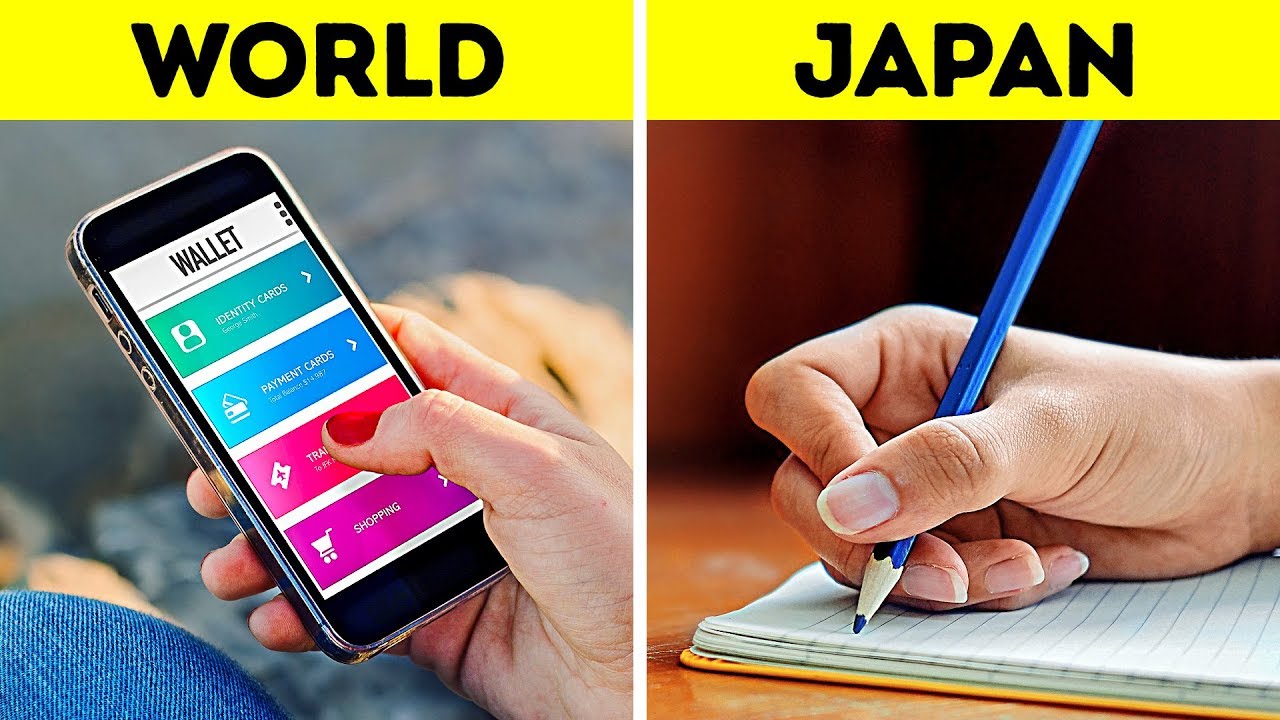
Kakeibo deliberately avoids automated tracking. Every transaction gets written by hand into a notebook, and practitioners close the books weekly and again at month’s end to review what actually happened against what they planned. That physical act of writing numbers down — rather than letting an app auto-categorize a debit card swipe — is the mechanism the method leans on to build mindfulness and slow down impulse purchases before they happen. Anyone who’s tracked spending through a category like the one covered in personal finance circles knows the gap between seeing a balance and actually reckoning with it line by line.
It’s a philosophy that sits opposite the “spend now, sort it out later” mentality that shows up in plenty of get-rich-quick pitches, closer in spirit to the savings-first arguments made in discussions about savers versus spenders than to any app-based shortcut. The four questions and four categories don’t change month to month — what changes is the discipline of actually sitting down and answering them, on paper, every single week.









How This 19 Year Old Made $2.5 Million Dollars From Minecraft
The World’s Youngest Billionaire
Why I Don’t Have A Business Partner Anymore
How to start a Blockchain business -3 things you NEED
Billionaire Dan Pena’s Ultimate Advice for Students & Young People – HOW TO SUCCEED IN LIFE