

 InfoSearched
Silicon Valley’s most notorious alumni network started with a startup that almost died twice.
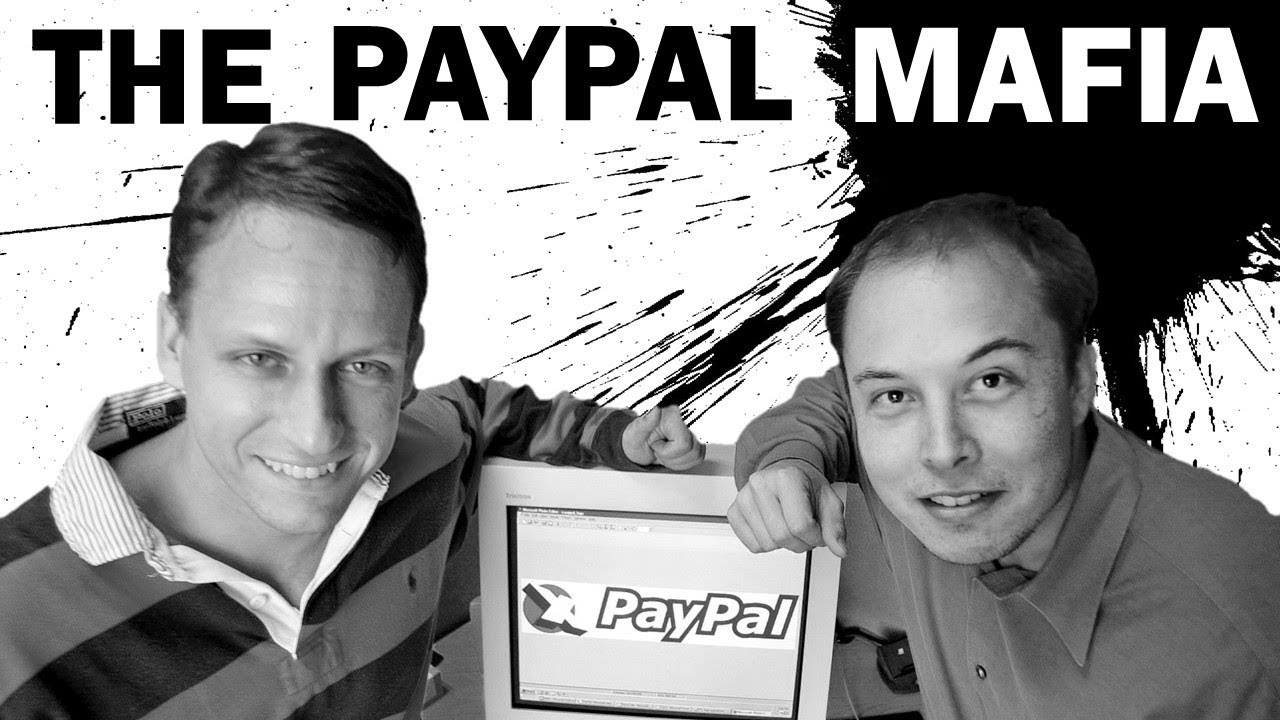
The PayPal Mafia is the closest thing tech has to a real dynasty — a group of founders, engineers, and early employees who walked away from one company with enough money and shared scar tissue to build half of modern Silicon Valley. Their story starts in December 1998 with a fraud-fighting security startup, survives a merger fight with a young Elon Musk, and ends with a 2007 Fortune magazine cover shot in mobster suits. What happened in between is the part most people never hear.
- Confinity, founded in December 1998 by Peter Thiel, Max Levchin, Luke Nosek, and Ken Howery, merged with Elon Musk’s X.com in March 2000; Musk was ousted as CEO that October, and the company was rebranded PayPal in June 2001 before its February 2002 IPO under ticker PYPL.
- eBay agreed to buy PayPal for $1.5 billion in July 2002, and within four years, 38 of the company’s first 50 employees had left — the exodus that seeded the “PayPal Mafia” nickname popularized by that 2007 Fortune cover.
- Alumni went on to found or fund SpaceX, Tesla, LinkedIn, YouTube, Palantir, Yammer, Affirm, and Founders Fund, with Peter Thiel making a $500,000 bet on Facebook in 2004 as its first outside investor.
From Security Software to a Digital Wallet
Confinity didn’t start out trying to reinvent money. Thiel, Levchin, Nosek, and Howery originally built handheld security software before pivoting toward a digital payments wallet — a product that let people beam money to each other electronically at a moment when most Americans still balanced checkbooks by hand. That pivot put them on a collision course with X.com, the online banking venture Musk had launched separately, and in March 2000 the two companies merged rather than compete for the same tiny slice of a skeptical market.
The merger did not produce instant harmony. Leadership friction and disputes over the company’s underlying technology escalated until October 2000, when Musk was ousted as CEO and Thiel took over as chief executive. The rebrand to PayPal came in June 2001, right as the dot-com crash was gutting the rest of the internet economy around them.
Surviving the Crash and Cashing Out
PayPal’s timing could not have been worse on paper — it was fighting off industrial-scale fraud and resistant banking partners in the teeth of the dot-com bust. It still pulled off a successful IPO in February 2002 under the ticker PYPL, and five months later, in July 2002, eBay agreed to acquire the company outright for $1.5 billion, with the deal closing before year’s end.
Thirty-eight of the first 50 PayPal employees were gone within four years of the eBay deal.
That exodus wasn’t an accident. Employees who’d been trained to argue for the fastest, most aggressive technical solution ran headfirst into eBay’s slower, more traditional corporate culture, and most of them chose the exit instead of the compromise.
The Mafia Cover and the Money That Scattered
The nickname stuck after a 2007 Fortune magazine cover posed the alumni in mobster-style suits, and by then the label fit — this wasn’t a loose collection of former coworkers, it was a tight-knit network that kept reinvesting in each other’s next ventures. Thiel used his buyout money to become Facebook’s first major outside investor, putting in $500,000 in 2004, and went on to co-found Palantir Technologies and Founders Fund alongside Howery and Nosek.
Elon Musk poured his share of the sale into founding SpaceX and backing Tesla. Reid Hoffman founded LinkedIn in 2002. Former PayPal engineers and designers Chad Hurley, Steve Chen, and Jawed Karim founded YouTube in 2005. Max Levchin started Slide, later sold to Google, and then Affirm; David Sacks founded Yammer; and Roelof Botha rose to senior partner at Sequoia Capital.
A Blueprint Built on Meritocracy
What tied these ventures together wasn’t luck — it was a shared operating style. Aggressive meritocracy, extreme focus, and a habit of reinvesting capital and lessons back into each other’s companies became the connective tissue of the PayPal Mafia, and that pattern quietly built out much of the infrastructure and venture-capital machinery that Silicon Valley still runs on. Anyone studying how modern founders think about building and funding companies eventually runs into some version of this network’s fingerprints, the same way readers exploring a multi-billionaire’s simple steps to success or the habits behind why certain billionaires structure their mornings keep landing on the same handful of names.
None of it was inevitable in 2000, when Musk was getting pushed out of the CEO chair and the merged company was still bleeding money to fraudsters. It became inevitable only in hindsight, once the checks started clearing for Palantir, SpaceX, LinkedIn, and YouTube — companies that, on the day PayPal sold for $1.5 billion, didn’t exist yet.

Matthew McConaughey | 5 Minutes for the NEXT 50 Years of Your LIFE
What is blockchain and how can it change our society?
Multi-Billionaire Explains his Simple Steps to Success
5 eBay Selling Tips for Newbies
How to Market Your Ebook