

 InfoSearched
A six-figure job title at Uber wasn’t enough to keep this software engineer in the Bay Area.
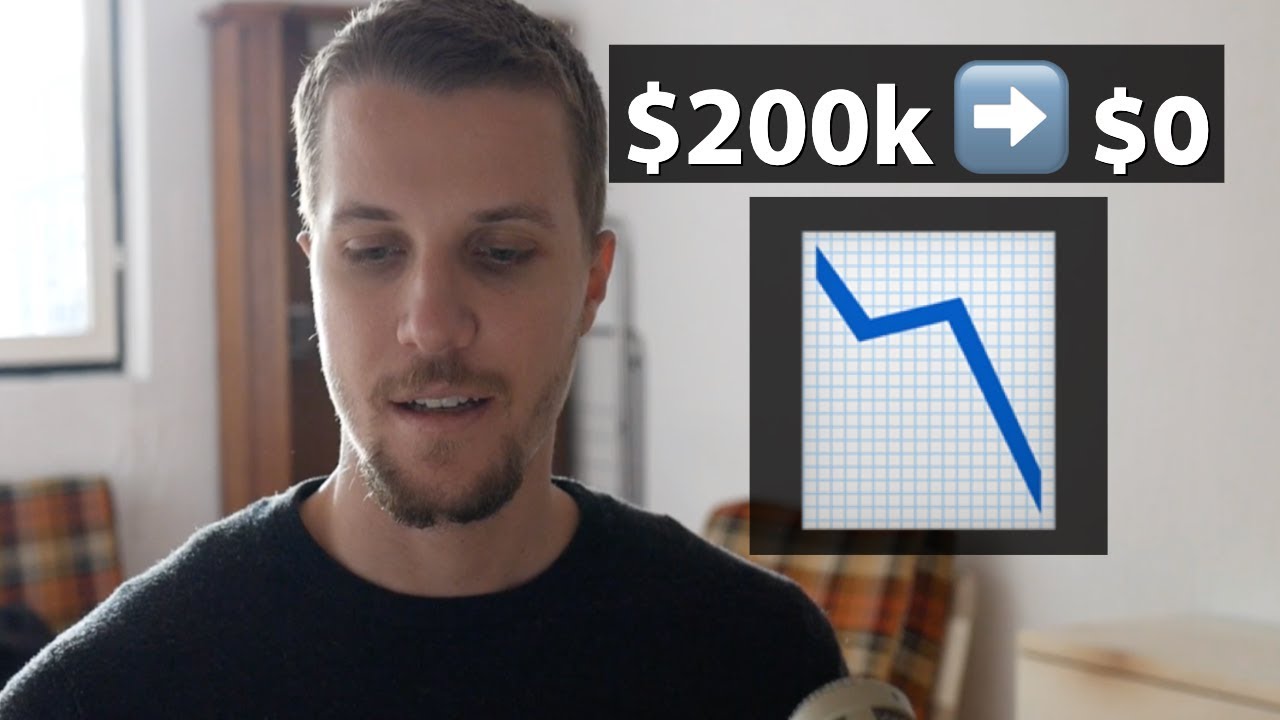
Aaron Jack had the résumé line most coders dream about: a software engineering role at Uber, total compensation pushing $200,000 a year, and a career trajectory built entirely from scratch. In his YouTube video “Why I left my $200k job as a Software Developer,” Jack walks through exactly why he handed that job back — and what he’s chasing instead.
- Jack went from teaching English abroad to landing a $200,000-a-year total compensation software engineering role at Uber in the San Francisco Bay Area, after self-directed study and coding bootcamp prep.
- He cites the Bay Area’s cost of living, the rigid structure of corporate tech schedules, and a lack of geographic mobility as core reasons for quitting.
- Since leaving, Jack has pursued freelance development, location-independent remote work, YouTube content creation, and his own entrepreneurial projects instead of climbing the traditional engineering ladder.
From Classroom Abroad to Uber’s Engineering Floor
Jack’s path into tech didn’t start in a computer science lecture hall. He spent time working as an English teacher overseas before deciding to retrain, teaching himself to code and grinding through a coding bootcamp to build the fundamentals that would get him hired. That self-directed sprint paid off fast — he moved into the Bay Area tech scene and climbed quickly enough to land a seat at Uber, one of the most recognizable names in Silicon Valley engineering.
By the time he reached Uber, his total compensation — salary, equity, and bonus combined — sat around $200,000 annually. For someone who’d been teaching English a few years earlier, it was the kind of number that’s supposed to mean you’ve made it.
The Trade-Offs Behind the Paycheck
In the video, Jack breaks down why that number stopped mattering as much as he expected. The Bay Area’s cost of living ate into what looked like a huge salary on paper, and the day-to-day rhythm of corporate engineering — fixed hours, office routine, sprint cycles — started to feel less like a dream job and more like a cage with a nice paycheck.
Jack says the rigid structure of the corporate tech ladder, not the money itself, was what finally pushed him out the door.
He also points to a desire for geographic mobility — the ability to live and work wherever he wanted — as something a Bay Area in-office role simply couldn’t offer. Instead of staying put and climbing toward the next title and the next equity grant, Jack decided the ladder itself wasn’t the goal he actually wanted.
Trading a Salary for Autonomy
Since walking away from Uber, Jack has rebuilt his career around independence rather than a title. That’s meant taking on freelance development work, structuring his income so he can work remotely from wherever he chooses, and building out a YouTube channel documenting the process — the same channel where he explains the decision itself. Anyone weighing a similar jump can find plenty of overlap with other creators who’ve built income around location-independent remote work instead of a fixed office job.
Freelancing also meant swapping a single employer for a portfolio of clients, a shift plenty of engineers consider but few actually execute — Jack’s video functions almost like a case study for developers scoping out freelance platforms as an alternative to a corporate badge.
Betting on Entrepreneurship Over the Ladder
Jack’s bigger bet isn’t just freelancing — it’s building his own projects and content business rather than waiting for the next promotion cycle at a company like Uber. That’s a deliberate trade: predictable six-figure comp and stock grants in exchange for control over his schedule, his location, and what he actually spends his day building.
Whether that trade pays off in dollar terms the way Uber did is still an open question Jack himself is answering in real time, one YouTube upload at a time — but for a guy who once stood in front of a classroom teaching English, turning down $200,000 to build something of his own is the whole story in one decision.




How the blockchain is changing money and business
How To Work Less & Be More Productive – Tim Ferriss
Government Relief for COVID-19 Hit Employers: Unlocking ERC Benefits
EXACTLY how I do market research for new products
12 Free SEO Tools You Must Use.