

 InfoSearched
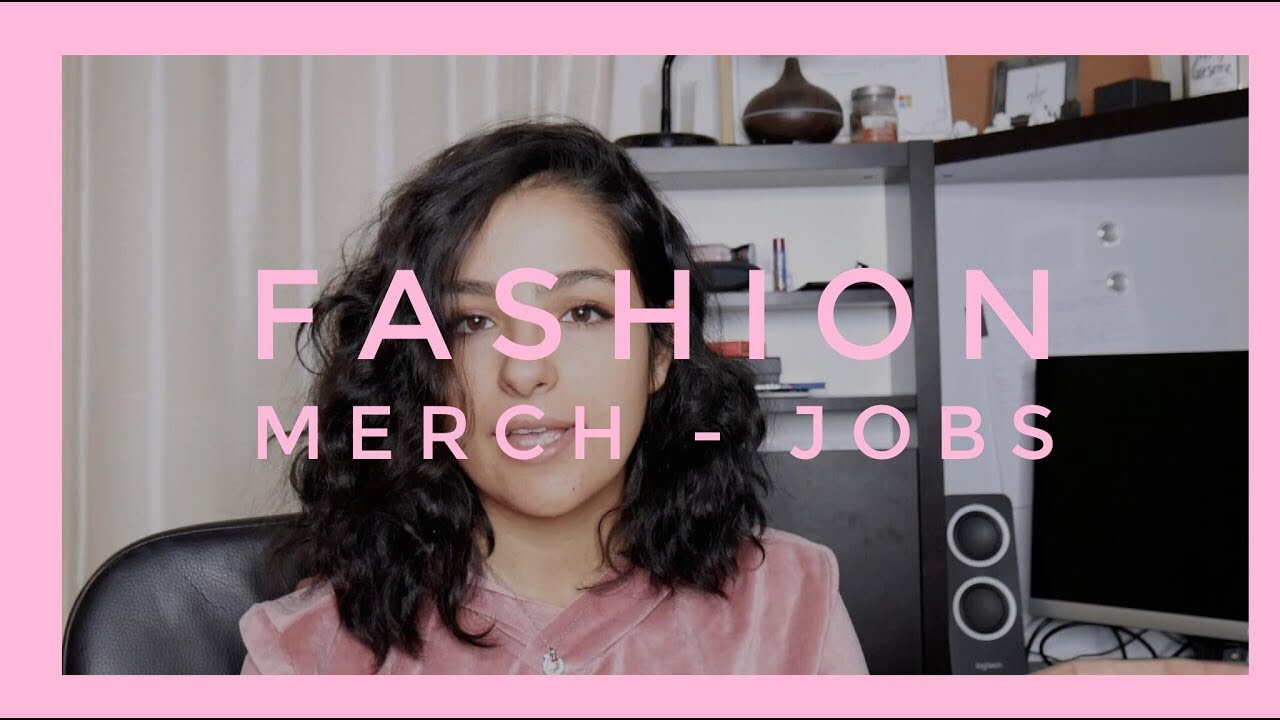
A YouTuber is breaking down exactly what you can do with a fashion merchandising degree, one job title at a time.
Newsha Dabz built her Fashion Merchandising Series to answer a question a lot of prospective students never get a straight answer to: what does this career path actually look like once you graduate? Her video “Fashion Merchandising Careers” walks through the specific roles that sit at the crossroads of retail math and creative styling, from the buyer’s desk to the sales floor. It’s less inspiration reel, more org chart — and that’s exactly the point.
- Dabz centers the Fashion Buyer role, detailing how buyers analyze demand, attend trade shows, and negotiate directly with manufacturers to build out assortments.
- She distinguishes small-retail buyers, who manage entire inventories solo, from buyers at large commercial retailers, who are assigned to specific product categories.
- The video also profiles Visual Merchandisers, Retail Store Managers, and Product Developers, plus showroom sales, fashion marketing, and account executive tracks.
The Buyer Sits at the Center of the Business
Dabz spends the most time on the Fashion Buyer because, in her framing, it’s the role where the business side of fashion merchandising is most exposed. Buyers study consumer demand and market trends, walk trade show floors, and then sit across the table from manufacturers to negotiate pricing and terms before a single item hits the sales floor. Get the assortment wrong and a season’s margins go with it — get it right and it shows up directly in sell-through numbers.
She draws a clear line between how the job scales with company size. At a small boutique, one buyer might own the entire inventory across categories — shoes, accessories, apparel, all of it. At a larger commercial retailer, buyers get sliced into specialists, each responsible for a single category, whether that’s denim, outerwear, or footwear, with far more granular forecasting attached to each.
In smaller retail environments, buyers often oversee entire inventories, whereas large commercial retailers assign buyers to specific product categories.
Visual Merchandisers and Store Managers Run the Floor
From the buyer’s spreadsheet, Dabz moves to the people who translate that inventory into a shopping experience. Visual Merchandisers use store layout, window displays, and basic consumer psychology to steer foot traffic and drive sales — the difference between a rack that gets ignored and an endcap that sells out. Retail Store Managers, meanwhile, are juggling inventory turnover, daily operations, and sales targets simultaneously, which makes the role as much about people management as it is about product.
These two positions, as Dabz describes them, are where merchandising strategy either succeeds or falls apart in front of the customer. It’s a natural fit for anyone drawn to the operational side covered in the broader small business world, since store-level P&L thinking shows up in both.
Product Developers Turn Concepts Into Collections
Dabz then shifts to the Product Developer track, describing a role that owns a garment from concept sketch through production. Product Developers are responsible for making sure a collection actually hits its cost margins and ships on deadline — a job that requires constant back-and-forth between design intent and manufacturing reality. Miss a deadline here and an entire seasonal drop can slip.
It’s a role that leans harder into supply chain and costing discipline than most people expect from a “fashion” job, and Dabz treats it as proof that the industry needs people fluent in both spreadsheets and silhouettes. That dual fluency shows up across the broader merchandising field she’s mapping out in the series.
Showrooms, Marketing, and Account Executives Round Out the Map
Beyond the core four, Dabz highlights showroom sales management, fashion marketing, and account executive positions as additional entry points for students who want the industry without necessarily becoming a buyer. Showroom sales managers work the wholesale side, pitching collections to retail buyers rather than end consumers. Account executives sit in a similar wholesale relationship-management lane, while fashion marketing roles apply brand strategy and campaign thinking to product lines instead of general retail.
Across every one of these tracks, Dabz keeps returning to the same skill set: analytical forecasting, Excel and inventory management fluency, and a creative eye for styling. None of the roles she covers reward just one of those — the buyers who last are the ones who can read a spreadsheet and still spot next season’s trend on a trade show floor.
Dabz frames the whole series as a map for students trying to figure out which door to walk through first, and the buyer role remains the one she keeps circling back to — the job where the trade show floor and the P&L meet head-on, category by category.






Best Way To Make Money Online
How to start a Blockchain business -3 things you NEED
What is Blockchain Technology? (In Simple Terms)
Nonprofits and the Hybrid Business Model
The Rise And Fall Of Subway