

 InfoSearched
Buying a house at a discount sounds simple until you realize the bank isn’t selling it the normal way.
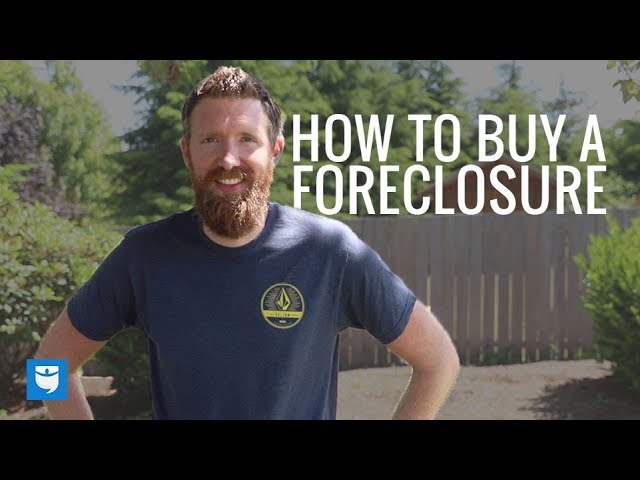
BiggerPockets’ guide “How to Find and Buy a Foreclosed Home,” presented by Brandon Turner, breaks distressed-property investing into three separate buying windows, each with its own risks and its own rulebook. The pitch to investors is straightforward: foreclosed homes can trade well below market value. The catch, according to Turner’s breakdown, is that the discount comes attached to cash deadlines, waived inspections, and title problems that can wipe out the savings entirely.
- The foreclosure timeline runs through three distinct stages: pre-foreclosure, the public auction (the “courthouse steps”), and post-foreclosure, when the property becomes a bank-owned REO asset.
- At the courthouse-steps auction, bidding opens at the balance owed on the mortgage, and winners must generally pay the full purchase price in cash or certified funds that same day — with no interior inspection allowed.
- Once a property fails to sell at auction, it reverts to the lender as an REO listing on the MLS, where buyers can finally get standard inspections and conventional financing, sold strictly “as-is.”
Pre-Foreclosure: Getting to the Owner First
The earliest entry point comes before a home ever reaches auction, while the original owner is in default but still holds title. Investors working this stage target homeowners who’ve fallen behind on payments, trying to negotiate a private sale or arrange a short sale before the bank forces an eviction. Turner’s framework treats this stage as the most negotiable of the three — there’s no bidding war, just a distressed seller and a buyer with cash or financing lined up. It’s also the stage where relationships and timing matter most, since owners in default are often juggling multiple offers, legal notices, and a shrinking window before the auction date gets locked in.
The Courthouse Steps: High Reward, Higher Risk
If a deal never gets made during pre-foreclosure, the property heads to public auction, where bidding starts at whatever balance remains on the defaulted mortgage. This is the stage most people picture when they hear “foreclosure auction,” and it’s also the one with the steepest barriers to entry. Winning bidders typically must produce the full purchase price in cash or certified funds on the spot — the same day, not thirty days later with a mortgage contingency attached.
There’s no walkthrough beforehand. Buyers can’t inspect the interior, which means a bidder could win a property with a cracked foundation, a gutted kitchen, or squatters still inside and have no way of knowing until after the gavel falls. Unverified title liens are the other landmine — back taxes, second mortgages, or mechanic’s liens can survive the sale and become the new owner’s problem.
No interior inspection, full cash payment the same day, and whatever liens are already attached ride along with the deed.
REO: When the Bank Becomes the Seller
If nobody bids enough at auction, ownership reverts to the lender and the property becomes Real Estate Owned, or REO. From there it gets listed on the MLS through agents who specialize in bank-owned properties — a process that behaves far more like a conventional home purchase than the courthouse auction ever does. Buyers can order standard inspections, line up conventional financing, and negotiate terms the way they would with any other listing.
The tradeoff is bureaucracy. Lenders still sell REO properties strictly “as-is,” and getting a bank to approve an offer often takes longer than dealing with a private seller, since the file has to move through loss-mitigation departments rather than a single decision-maker. Turner’s guide stresses that investors working this stage still need to run a full title search to catch any senior liens the bank didn’t clear, price out renovation costs before bidding, and walk in with pre-approval or proof of funds — because a competitive REO offer below market value rarely gets a second look without one.
For anyone weighing whether to build wealth through distressed real estate versus other buy-and-hold strategies, it’s worth stacking this against how landlords scale a rental portfolio — the investor profiled in Meet The Real Estate Investor With 102 Tenants built up holdings the slow way, unit by unit, which is the flip side of chasing discounted foreclosures. And for buyers thinking about what to do with a distressed property once they close, the short-term rental math laid out in How I Make Millions On Airbnb With No Property And No Credit is worth a look before assuming a flip is the only exit.
The REO stage is where most first-time foreclosure buyers actually land a deal, simply because the courthouse auction weeds out anyone who can’t show up with six figures in certified funds by 9 a.m. Turner’s bottom line in the guide is that patience beats speed here — the title search and the renovation estimate matter more than winning the bidding war.









Conor Mcgregor | 5 Minutes For The NEXT 50 Years of Your LIFE
Starting a Business – Register an LLC or Start Sole Proprietorship
Ergonomics Expert Explains How to Set Up Your Desk | WSJ
How to Pick the Perfect Domain Name
“Getting Rich Is Easy”