

 InfoSearched
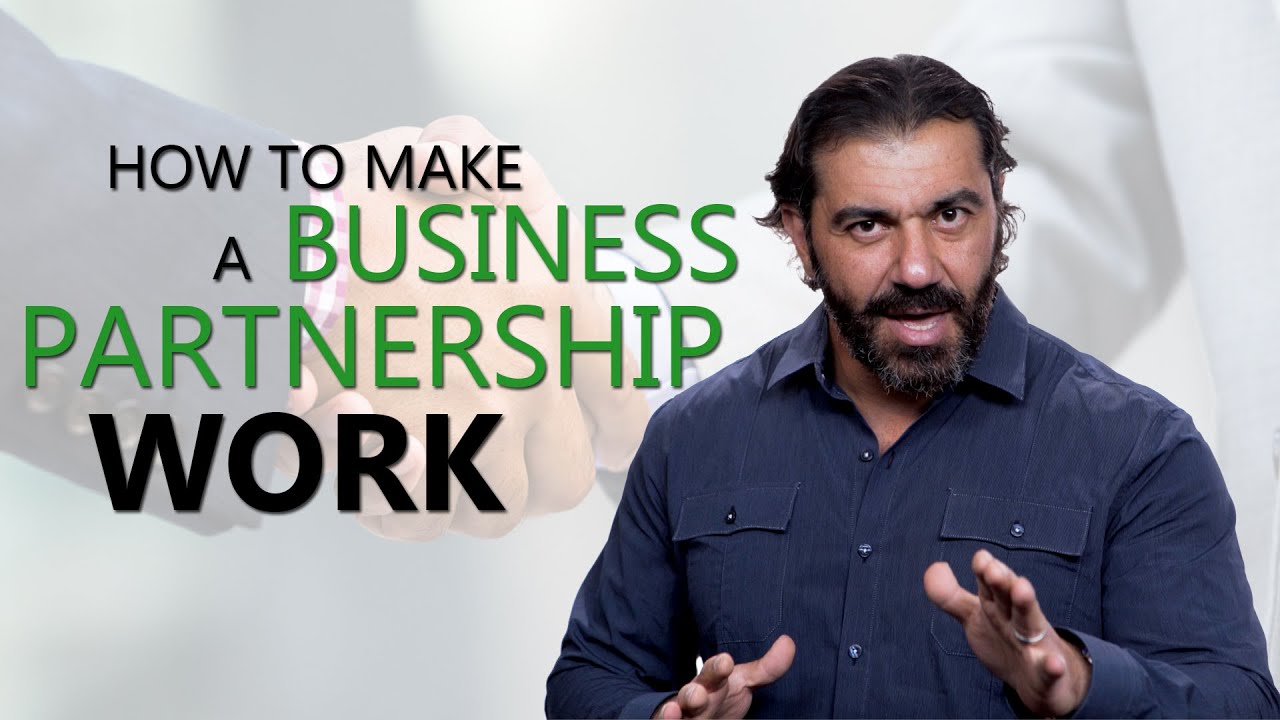
Bedros Keuilian says picking a business partner is a lot like picking a spouse — and most entrepreneurs skip the vows entirely.
Bedros Keuilian, the Fit Body Boot Camp founder and serial entrepreneur, has built a following on blunt, no-nonsense business advice, and his latest coaching video tackles one of the riskiest moves any founder makes: bringing on a partner. Keuilian argues that most people treat partnership decisions with less care than they’d put into a marriage proposal, and it costs them. His framework covers who to pick, how to split the equity, and — critically — how to walk away cleanly if it doesn’t work out.
- Keuilian compares choosing a business partner to choosing a spouse, warning against partnering with a casual acquaintance or out of fear and insecurity.
- He pushes for a written agreement spelling out exact duties for each partner — his example: “Bedros handles X, Y, and Z, while Craig handles A, B, and C.”
- He strongly favors a 50/50 equity and profit split over uneven arrangements like 60/40, which he says breed resentment, while insisting each partner still work like a 100% owner.
- His framework requires the agreement to include a predefined exit strategy — timelines, legal representation, and third-party negotiation terms — before the business ever opens its doors.
Choosing a Partner Isn’t a Casual Decision
Keuilian’s starting point is deliberately uncomfortable: entering a business partnership, he says, should be treated with the same seriousness as entering a marriage. He warns founders against grabbing the nearest friend or acquaintance just to have someone in the foxhole, and he’s especially critical of partnering out of fear — bringing someone on simply to spread risk or cover personal insecurity. The better move, in his view, is finding someone whose skill set is genuinely complementary, so the partnership multiplies what either person could do alone rather than just splitting the same workload two ways.
That distinction matters because it shapes everything downstream. A partner chosen out of convenience or anxiety rarely has the skills to fill the gaps the founder actually needs filled, and that mismatch tends to surface later as friction — a theme that echoes through other founder accounts of partnerships gone wrong, including the story detailed in Why I Don’t Have A Business Partner Anymore.
Writing Down Who Does What
Once the right partner is in place, Keuilian says the next non-negotiable step is a written partnership agreement that lays out day-to-day duties in specific terms — not vague notions of “shared leadership,” but literal assignments. His shorthand example: Bedros handles X, Y, and Z, while Craig handles A, B, and C. Without that level of specificity, he warns, partners naturally gravitate toward the glamorous, high-visibility tasks and leave the unglamorous but essential operational work — the bookkeeping, the vendor calls, the compliance details — to fall through the cracks.
That kind of role clarity isn’t just about efficiency; it’s about preventing the exact kind of turf battles that erode trust between partners over time.
The Case for an Even Split
On equity, Keuilian doesn’t hedge: he advocates a straight 50/50 division of ownership and profits. He argues that uneven arrangements — a 60/40 split, for example — almost always end up breeding bitterness, with the partner on the short end feeling their contribution is undervalued regardless of the original justification for the split. But the flip side of that even split comes with a demand: despite owning only half the company on paper, each partner has to operate with the mindset and work ethic of someone who owns all of it.
Fifty percent ownership, one hundred percent owner’s mindset — that’s the whole model.
In practice, that means neither partner coasts on the assumption the other will pick up the slack. Both are expected to actively try to outwork one another, which Keuilian frames not as a competitive threat to the relationship but as the engine that drives the partnership’s overall growth. It’s a philosophy that lines up with broader founder-culture advice on accountability found in pieces like Mark Cuban — The #1 Reason Why Most People Fail In Business.
Planning the Exit Before You Need One
The last piece of Keuilian’s framework is the one most new partnerships skip entirely: a predefined exit strategy. He insists the written agreement needs to spell out, in advance, exactly how the business gets dissolved or how a partner departs — clear timelines, requirements for legal representation, and parameters for third-party negotiation if the partners can’t agree on terms themselves. The logic is straightforward: negotiating an exit after emotions are already running high almost always does more damage than negotiating it up front, while everyone’s still thinking clearly.
Done right, Keuilian says, that upfront planning is what keeps a bad ending from destroying both the company and the personal relationship behind it — a protection he considers just as important as the partnership agreement’s day-one terms.





How to Get Insider Trading Info for Free
Design Your Dream Life Through Passive Income | Alex Szepietowski | TEDxUniversityofYork
The Greatest Secret Of The Rich
Benefits Of Online Credit Card Processors and what to watch out for
Step-By-Step Guide to Writing eBook