

 InfoSearched
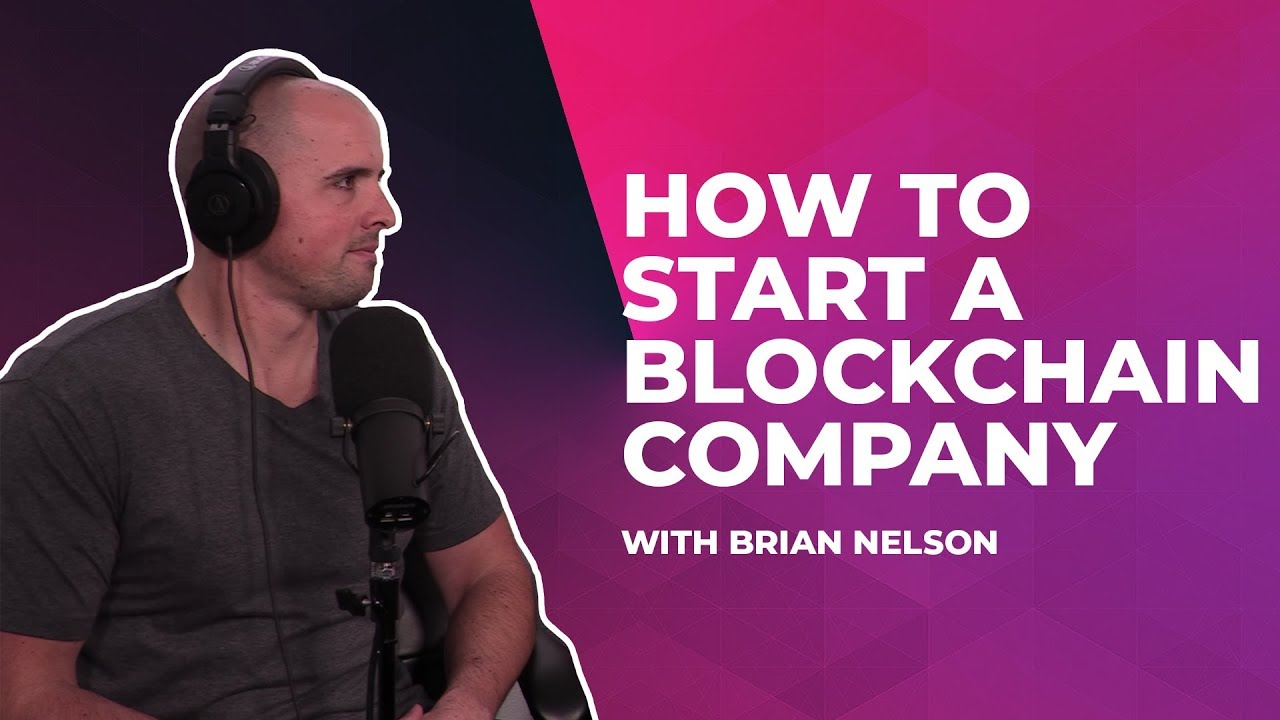
Blockchain hype is easy. Getting licensed to move money on it is the hard part — and that’s exactly where Brian Nelson lives.
Episode #10 of the Business Ideas interview series sits down with Brian Nelson, a Salt Lake City-based Bitcoin and cryptocurrency advisor who has spent nearly a decade helping digital currency startups survive the regulatory gauntlet most founders never see coming. Nelson isn’t a hype man — he’s the guy who gets called in after the whitepaper is written, when a company realizes it actually needs a money transmitter license in 48 states. The episode walks through what it really takes to launch a blockchain company, from tokenomics to bonding requirements to the question nobody asks early enough: does this actually need a blockchain?
- Brian Nelson entered the Bitcoin and cryptocurrency ecosystem in 2011 and has since advised early digital currency ventures and crypto-focused funds such as Gen3 Capital.
- He was the first surety bond broker to introduce dedicated bond solutions for digital currency companies navigating U.S. state money transmission licensing, and previously served as a director of the National Money Transmitters Association (NMTA).
- Nelson founded Crypto Slopes, an initiative built to support Utah’s blockchain entrepreneurship community.
From Surety Bonds to Bitcoin
Nelson’s path into crypto didn’t start with a token launch — it started with insurance paperwork. As a surety bond broker working the money services business (MSB) space, he was already fluent in the licensing headaches that traditional money transmitters face state by state. When Bitcoin startups began popping up in 2011 needing the same kind of bonding to satisfy regulators, Nelson became the first broker to build products specifically for digital currency companies. That niche made him one of the few people in the country who could speak both languages: crypto founders and state banking regulators.
That dual fluency is why he ended up advising early ventures and funds like Gen3 Capital, and why his stint as a director of the NMTA mattered — he was shaping digital currency compliance policy from inside the same trade association that represents the money transmitters crypto companies are often forced to register alongside.
The Regulatory Maze Founders Underestimate
The core of Nelson’s advice in the episode is blunt: if your blockchain company touches digital assets in a way that resembles moving money, you are probably a money transmitter in the eyes of most states — whether you think of yourself that way or not. That triggers state-by-state licensing requirements, federal Anti-Money Laundering (AML) obligations, and, in many cases, the surety bonds Nelson’s own business specializes in placing.
Don’t build a blockchain solution looking for a problem. Find the micro use case first, then figure out if a distributed ledger actually beats a plain old database.
Founders who skip this step, Nelson warns, tend to find out the hard way — after a cease-and-desist letter arrives, not before. Getting bonding and compliance infrastructure in place before a product goes to market is, in his framing, as important as the product itself. For entrepreneurs still mapping out the fundamentals of the technology before tackling licensing, a primer like Blockchain Explained is a useful starting point.
Finding a Real Use Case, Not a Buzzword
A recurring theme of the interview is Nelson pushing back on blockchain-as-cure-all thinking. He argues entrepreneurs should stop asking “how do I put my business on the blockchain” and start asking whether a decentralized ledger solves a specific, narrow problem better than existing infrastructure. That means identifying genuine micro-use cases — a particular bottleneck, a particular trust gap between parties — where decentralization is a decisive upgrade, not a marketing feature bolted onto a pitch deck.
That distinction matters for fundraising conversations too. Investors who’ve been burned by 2017-era projects that slapped “blockchain” on a business plan without a real technical reason are more skeptical now, and Nelson’s advice is effectively a filter: if you can’t articulate the specific use case in one sentence, you’re not ready to build.
Tokenomics and Funding the Company
Beyond regulation, the episode covers how blockchain founders think about capital formation differently than traditional startups. Nelson walks through tokenomics — how a token’s supply, distribution, and utility are structured — and alternative funding routes like initial coin offerings (ICOs), which let companies raise capital by selling digital tokens rather than equity. Founders exploring that route on a budget may find the practical breakdown in How to make a cryptocurrency for less than $2 a helpful companion to the compliance side Nelson covers.
The throughline across the episode is that tokenomics decisions and regulatory exposure aren’t separate conversations — how you structure and sell a token determines whether securities law, money transmission law, or both come into play. Getting that sequencing wrong is, in Nelson’s experience, the single most common way blockchain startups stall out before they ever ship a product.
Nelson’s own résumé — NMTA director, first-to-market bond broker for digital currency firms, founder of Crypto Slopes in Utah — is the reason the episode leans so heavily on compliance mechanics rather than token hype. For founders taking notes, his message is less about picking the flashiest blockchain and more about making sure the company is still standing, licensed and bonded, by the time that blockchain actually ships a product.



If You Can Hold on for 100 Seconds, You’ll Earn $100. The Most Creative Advertising Campaigns
Billionaire Dan Pena’s Ultimate Advice for Students & Young People – HOW TO SUCCEED IN LIFE
How I Turned $400 to $1.3 Million | Dropshipping Success Story 2019
LTO | BlockchainBrad | Hybrid Business Blockchain | Easy & Scalable | Tokenised Enterprise
The Biggest Trap People Fall Into – Robert Kiyosaki