

 InfoSearched
Therapists opening a private practice rarely realize they’ve just become a business owner overnight — and the entity they pick determines whether a lawsuit can touch their house.
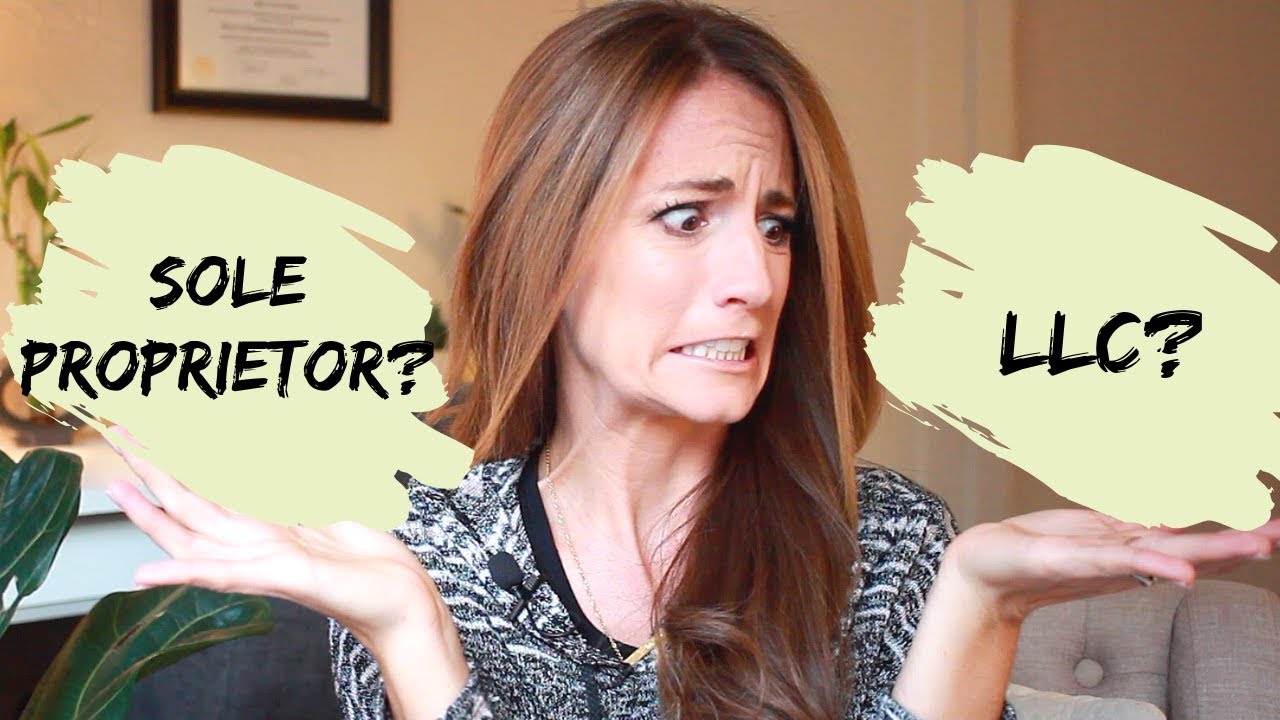
In her video guide “Should you be a Sole Proprietor or LLC? The Pros and Cons you Need to Know,” Dr. Marie Fang of Private Practice Skills walks mental health clinicians through the entity decision that most therapists skip past when they hang up their shingle. Her point isn’t abstract business theory — it’s the specific, state-by-state mechanics of what protects a clinician’s personal assets and what doesn’t. Clinicians launching a solo caseload, she argues, are starting a formal business whether they’ve filed paperwork or not.
- A Sole Proprietorship requires no separate business registration, no formation fees, and lets profits flow straight onto the owner’s personal tax return via IRS Schedule C.
- Its central risk: the practitioner and the business are legally the same entity, so personal assets are exposed to business debts or malpractice claims.
- California specifically bars licensed mental health providers from forming a standard LLC, pushing them toward Professional Corporations or PLLCs where the state allows it.
The Default Structure Most Therapists Fall Into
Dr. Fang frames the Sole Proprietorship as the path of least resistance — it’s what a clinician becomes automatically the moment they start billing clients under their own name, without ever filling out a formation document. No state registration fee, no operating agreement, no separate business tax filing. Profits and losses simply land on the clinician’s Schedule C at tax time, which keeps the accounting simple for a solo caseload.
That simplicity is also the trap. Because the therapist and the practice are treated as a single legal entity, there’s no wall between what happens in the therapy room and the clinician’s personal bank account, home, or savings. A malpractice claim, a client dispute, or unpaid business debt can reach personal assets directly — a risk Dr. Fang says clinicians frequently underestimate when they’re focused on building a caseload rather than reading entity law.
Core Benefits of LLC Formation
The Limited Liability Company exists to fix exactly that exposure. Forming an LLC creates a legal entity separate from the individual clinician, which is designed to shield personal savings and property from business litigation and debt obligations. For a therapist worried about a lawsuit following a difficult case, that separation is the whole appeal.
The therapist and the business are treated as a single legal entity — putting personal assets at risk for business debts or lawsuits.
But Dr. Fang doesn’t sell the LLC as a free upgrade. It comes with ongoing state filing fees, more involved formation paperwork, and a hard requirement to keep separate business banking and accounting records — commingling personal and business funds can undo the liability protection an LLC is supposed to provide. Readers weighing the same decision from a general small-business angle can compare notes in LLC vs Sole Proprietor: Which is best for YOUR business?, and clinicians who started as sole proprietors and want to convert later have a specific process to follow, outlined in How to Convert a Sole Proprietorship to an LLC.
State Licensing Impact on Compliance
Here’s the wrinkle that separates this guide from a generic small-business explainer: licensed mental health providers don’t always get to choose an LLC. Dr. Fang flags that California prohibits licensed therapists from forming a standard LLC altogether, steering them instead toward a Professional Corporation or, in states that permit it, a Professional Limited Liability Company (PLLC). Those alternatives carry their own filing requirements and state-specific rules, which is why she tells clinicians to check their own state’s licensing board before assuming an LLC is even on the table.
Her advice throughout is consistent: read the state-specific licensing rules first, then bring in legal and tax counsel who understands professional-entity law rather than generic small-business formation. And regardless of which entity a clinician lands on, she’s clear that professional liability insurance isn’t optional — an LLC or PC reduces personal exposure, but it doesn’t replace malpractice coverage.
For a therapist reading this before opening a practice, the practical next step is the same one Dr. Fang points to: pull up the licensing board rules in whatever state they’re practicing in, because that single fact — not personal preference — often decides whether Sole Proprietor, LLC, PC, or PLLC is even a legal option.









From $0 to $600K per month Selling Tea at 22 Years Old | Gretta Van Riel
Hybrid business models
3 Ways to REALLY Make Money in The Stock Market (Insider Tips)*
“Getting Rich Is Easy”
Launching into Affiliate Marketing: A Guide