

 InfoSearched
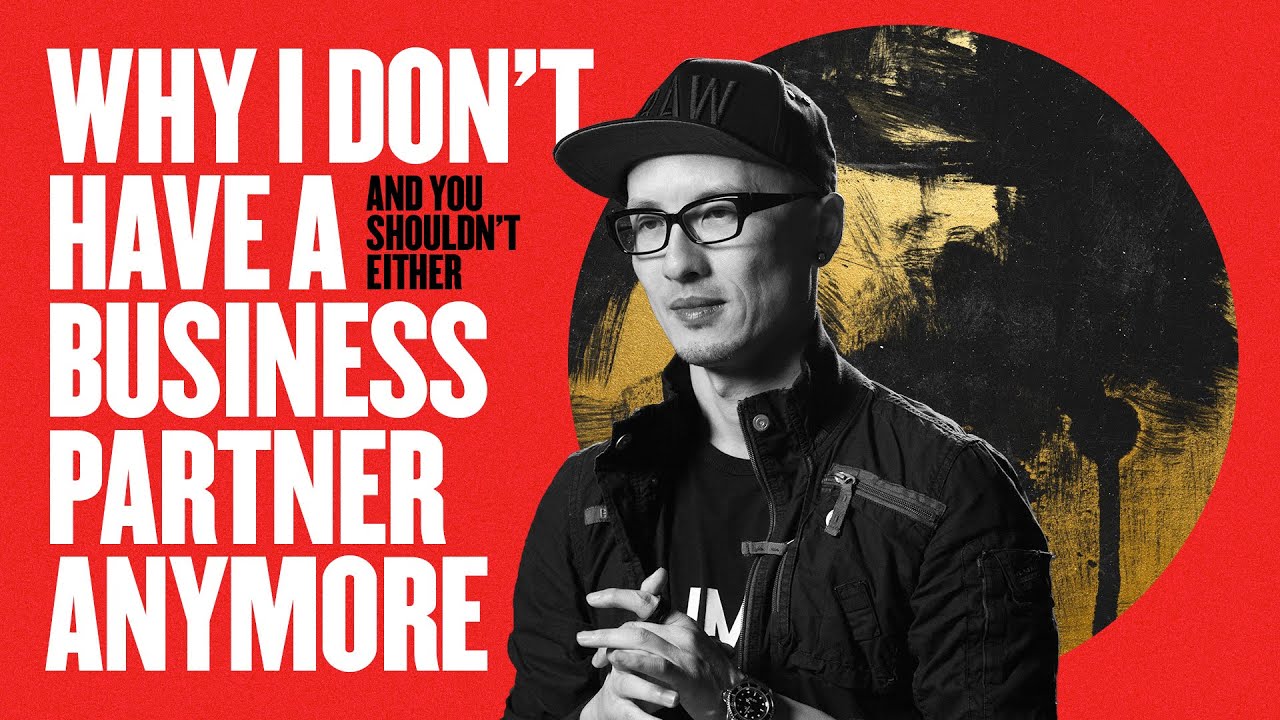
Chris Do sat down with a room full of designers at an AIGA conference and told them the blunt reason he stopped taking on business partners.
The Futur founder and CEO didn’t come to the roundtable with a slide deck of networking tips. Instead, Do walked attendees through his own track record with partnerships — what worked, what blew up, and why he now runs his company solo at the ownership level. The conversation, released as “Why I Don’t Have a Business Partner Anymore,” treats partnership less like a growth hack and more like a marriage with equity attached.
- Do compares business partnerships to two-person bands: differing styles eventually pull the act apart, and unlike personal relationships, there’s no social pressure keeping people from walking away.
- He warns that outsourcing a critical skill — sales or negotiation, for example — to a partner leaves the founder with nothing to fall back on if that partner exits.
- Do flags unequal financial commitment during lean periods as a recurring source of resentment, even when a partnership was formed specifically to split risk.
The Band That Breaks Up
Do’s central metaphor is musical. Two-person acts, he argues, tend to dissolve for the same reason two-person businesses do: the partners start out aligned and drift into different tempos. Personal relationships survive that drift because leaving is socially costly. Business partnerships don’t have that friction, so the moment styles diverge, the exit door is right there.
That’s the mechanism behind his comparison-and-resentment point. Two people rarely work at the same pace or with the same intensity for long. Once one side starts clocking the other’s hours, or lack of them, each partner quietly recasts the other as the problem — and Do says that recasting is close to irreversible once it sets in.
The Trap of Outsourcing What You Don’t Know
It’s tempting to bring in a partner specifically to cover a gap — someone who can close deals if you can’t, or someone who understands contracts if you don’t. Do argues this is the most dangerous kind of partnership because it never builds the skill in the founder who needs it. If the salesperson-partner walks, the business doesn’t just lose a person; it loses the entire capability, because the other side never learned to do it themselves.
His alternative is uncomfortable but simple: learn the skill you’re afraid of, even badly, rather than handing it permanently to someone else’s equity stake. That’s a theme that echoes broader advice from figures Do’s audience already follows on how to structure a business around your own weaknesses rather than delegate them away, similar to the ownership-first thinking laid out in Mark Cuban’s take on why most people fail in business.
Partners rarely carry the exact same level of financial risk — and that gap is where the resentment starts.
Money Splits Evenly on Paper, Not in Practice
The financial argument is the one Do returns to hardest. Splitting the burden during a slow month sounds like the whole point of having a partner. But he says the commitment behind that money is almost never equal — one partner may have savings, a spouse’s income, or lower personal overhead, while the other is stretched thin. When the business finally turns a profit, that imbalance in what each person actually risked doesn’t disappear; it just moves from the bank account into how each partner feels about the split.
Setting Terms Before Signing Anything
Do isn’t telling every founder in the room to avoid partnerships outright. His actual instruction is to set strict expectations on day one — spelling out commitments, roles, and what happens if one side’s effort or investment doesn’t match the other’s, before any equity or operational control changes hands. That kind of upfront clarity is the same discipline covered in guides on choosing the right business structure, including comparisons like LLC vs. sole proprietor decisions that founders often make right around the time a partnership question comes up.
Do’s closing point to the AIGA crowd wasn’t a rule against partnering — it was a warning about what happens when nobody writes the terms down. For a room full of designers weighing whether to bring in a co-founder for their next studio, that’s the takeaway that actually travels home with them: get the commitment in writing before you split the logo credit.





A Secret Way Of Getting Traffic
Buying Rental Property with a Limited Liability Company (LLC)
10 Easy Steps For Getting Video On Your Business Website
Blockchain Explained
Matthew McConaughey | 5 Minutes for the NEXT 50 Years of Your LIFE