

 InfoSearched
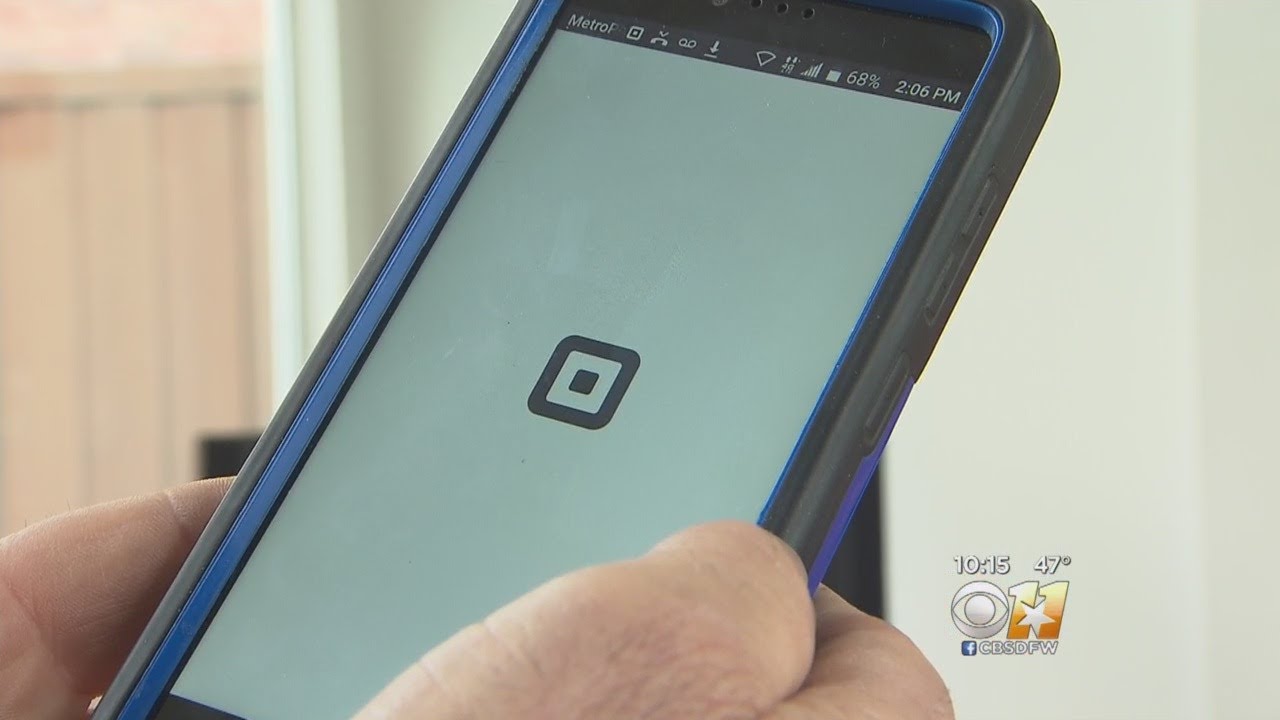
A CBS Texas investigation found that Square, the go-to card reader for thousands of small businesses, can freeze a merchant’s entire cash flow without warning.
Reporter Cristin Severance of CBS 11 News (KTVT) spent months tracking small-business owners across Texas who trusted Square’s mobile readers to run their day-to-day credit card sales — only to log in one morning and find thousands of dollars in revenue locked behind a hold they never saw coming. The report digs into why Square, built as a payment aggregator rather than a traditional merchant-account provider, can suspend access to a business’s own money with almost no explanation.
- Square’s automated underwriting flags sudden volume spikes, high-ticket sales, or keyed-in charges as potential fraud risk, triggering account freezes.
- Affected merchants told CBS 11 their funds were held for as long as 90 to 120 days without warning.
- Business owners described being routed to automated responses with no live representative able to lift the hold, leaving payroll and supplier payments in limbo.
Payment Aggregator Risks to Merchants
Square built its business on cutting the red tape of traditional merchant banking — no lengthy application, no contract, a reader that plugs into a phone and starts swiping cards within minutes. That speed comes from Square lumping thousands of small sellers under its own master merchant account rather than underwriting each business individually the way a bank would. The tradeoff, according to the CBS 11 investigation, is that Square’s risk algorithms are watching every transaction in real time, and they don’t hesitate to hit pause the moment a sale pattern looks unusual.
A restaurant that suddenly rings up a $2,000 catering order, a contractor who keys in a card number instead of swiping, a retailer who has a better weekend than usual — any of it can be enough to trip the system. Once that happens, the report found, the money doesn’t just get delayed. It gets frozen, sometimes for months, with the business owner left guessing why.
Owners Left Without Cash or Answers
The small-business owners who spoke with Severance described the same nightmare: thousands of dollars in card payments they’d already earned, sitting untouchable in Square’s system while bills kept coming due. Without that cash, they couldn’t pay suppliers, couldn’t make payroll, and in some cases couldn’t keep the lights on. For a business running on tight margins, a 90-to-120-day freeze isn’t an inconvenience — it’s an existential threat.
Merchants told CBS 11 they were locked out of their own revenue for up to 120 days, with no live representative able to explain why or lift the hold.
Customer Support Built for Scale, Not for Crisis
The report’s sharpest criticism landed on Square’s support structure. Because Square processes payments for a massive volume of merchants through one shared account system, it leans heavily on automated ticketing and chatbot-style responses instead of dedicated account representatives. Business owners told CBS 11 they couldn’t get a human on the phone, let alone someone with the authority to release a hold. That left them stuck disputing a freeze with the same automated system that flagged them in the first place.
It’s the flip side of what made Square attractive in the first place. The same aggregator model that lets a food-truck owner start accepting cards in an afternoon is the model that gives a business no dedicated banker to call when something goes wrong. Traditional merchant accounts come with underwriting, contracts, and monthly fees — but also a bank relationship and clearer dispute channels. Square skips all of that, which is exactly why its fees are so low and its onboarding so fast. Owners weighing that tradeoff might find it worth comparing how a traditional merchant account provider handles risk holds versus an aggregator like Square.
The Real Cost of “Free” and “Instant”
Square’s pitch — no contracts, no monthly minimums, a card reader that ships for a few dollars — remains genuinely useful for a lot of small operations that can’t clear the underwriting bar for a conventional merchant account. But the CBS 11 report makes clear that convenience comes with structural risk that most owners don’t learn about until it’s too late: no advance notice before a freeze, no standard banking safeguards, and no guaranteed timeline for getting their own money back. Anyone building a business around a single payment processor might want to think through backup options the way they’d think through avoiding other common early-stage business mistakes.
None of the merchants CBS 11 spoke with got a straight answer on why their specific account got flagged, and that’s the part that should worry anyone running card payments through Square right now — the hold can land with no warning, and the only way out is waiting out the same 90-to-120-day clock everyone else got stuck on.







Mark Cuban Offers 1 Million Dollars for GameFace
SHE FAKED AN ART GALLERY IN LONDON AND SOLD MY PAINTINGS *it worked!!*
Step-By-Step Guide to Writing eBook
How to Get Insider Trading Info for Free
“This Really Works! 2 Times Everyday”