


 InfoSearched
Blockchain sounds like jargon until someone actually breaks down what a “block” and a “chain” really are — and once you see it, the whole idea clicks.
The 99Bitcoins explainer “What is Blockchain? Blockchain Technology Explained Simply” strips the buzzword down to its actual mechanics: a digital ledger built from linked blocks of data, spread across a network of computers instead of sitting on one company’s server. No bank, no central administrator, no single point of failure. The video walks through why that structure makes the ledger both transparent and, practically speaking, tamper-proof.
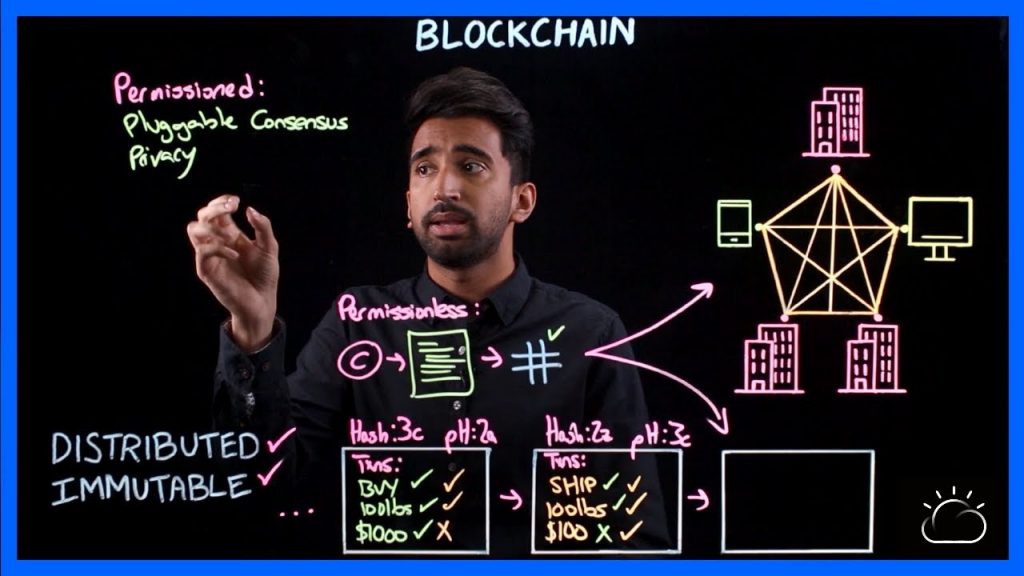
- Each block bundles verified transaction data, a timestamp, its own unique hash, and the hash of the block before it — creating an unbroken chronological chain.
- Copies of the entire ledger are synced across peer-to-peer nodes, so altering a record would require simultaneously rewriting the majority of copies on the network at once.
- Bitcoin is presented as the first real-world application of blockchain, built to solve the double-spending problem, but the technology’s uses extend to supply-chain tracking, healthcare records, digital ID, and smart contracts.
The Blockchain Block Building Process
The video’s explanation starts at the transaction level. Digital transactions get gathered into a block, and that block isn’t just a lump of data — it’s stamped with an exact timestamp, assigned its own cryptographic hash, and made to carry the hash of the block that came directly before it. That last part is the whole trick: because each new block references the previous one’s hash, the blocks stack into a sequential, mathematically linked chain rather than a loose pile of records.
Try to change something in a block that’s already been added, and its hash changes too. Since the next block still points to the old hash, the chain breaks — and every node on the network can see it. That’s the mechanism the explainer leans on to describe blockchain’s immutability, and it’s a more precise version of the same idea covered in Blockchain Explained.
Decentralized Control in Network Architecture
Instead of one central server holding the master copy, the ledger lives on a peer-to-peer network of individual computers called nodes, and every node keeps its own synchronized copy. When a transaction happens, the distributed nodes independently verify it and record it according to shared consensus rules — no single administrator signs off.
That distribution is what makes fraud so impractical. A bad actor wouldn’t just need to hack one machine; they’d need to alter the ledger across a majority of nodes at the same moment to make a fraudulent change stick. The video frames that requirement as the core reason blockchain resists the kind of quiet manipulation a centralized database could suffer.
Any attempt to tamper with historical data breaks the hash chain — and alerts the entire network to the unauthorized change.
Bitcoin Is an Application, Not the Whole Story
The explainer draws a clean line between blockchain and cryptocurrency, a distinction that gets muddled constantly in casual conversation. Bitcoin is described as the first and most recognized real-world use of blockchain — a decentralized peer-to-peer digital currency engineered specifically to solve the double-spending problem, where the same digital money could otherwise be spent twice. But Bitcoin is a use case sitting on top of the infrastructure, not the infrastructure itself.
That distinction matters because it opens the door to everything else the video touches on: supply-chain logistics, where a tamper-resistant ledger can track goods from origin to shelf; healthcare records, where patient data needs to be both secure and shareable across providers; digital identification; and smart contracts, which automate agreements once predefined conditions are met. Viewers looking for a deeper technical run-through can pair this explainer with Blockchain Technology Explained (2 Hour Course) or the broader survey in Blockchain Full Course – 4 Hours.
Beyond the Ledger
What the 99Bitcoins breakdown ultimately argues is that blockchain’s value isn’t the currency riding on top of it — it’s the verification layer underneath. Any process that currently depends on a trusted middleman to confirm something happened, whether that’s a bank clearing a payment or a hospital confirming a patient’s history, is a candidate for the same hash-linked, node-verified structure the video lays out block by block.







Making Use of a PDF Editor
Inventory Systems and Inventory Costing Methods | Principles of Accounting
The Greatest Secret Of The Rich
How to Find and Buy a Foreclosed Home
How I Turned $400 to $1.3 Million | Dropshipping Success Story 2019