

 InfoSearched
A nonprofit veteran breaks down why chasing earned income can save — or sink — a charitable mission.
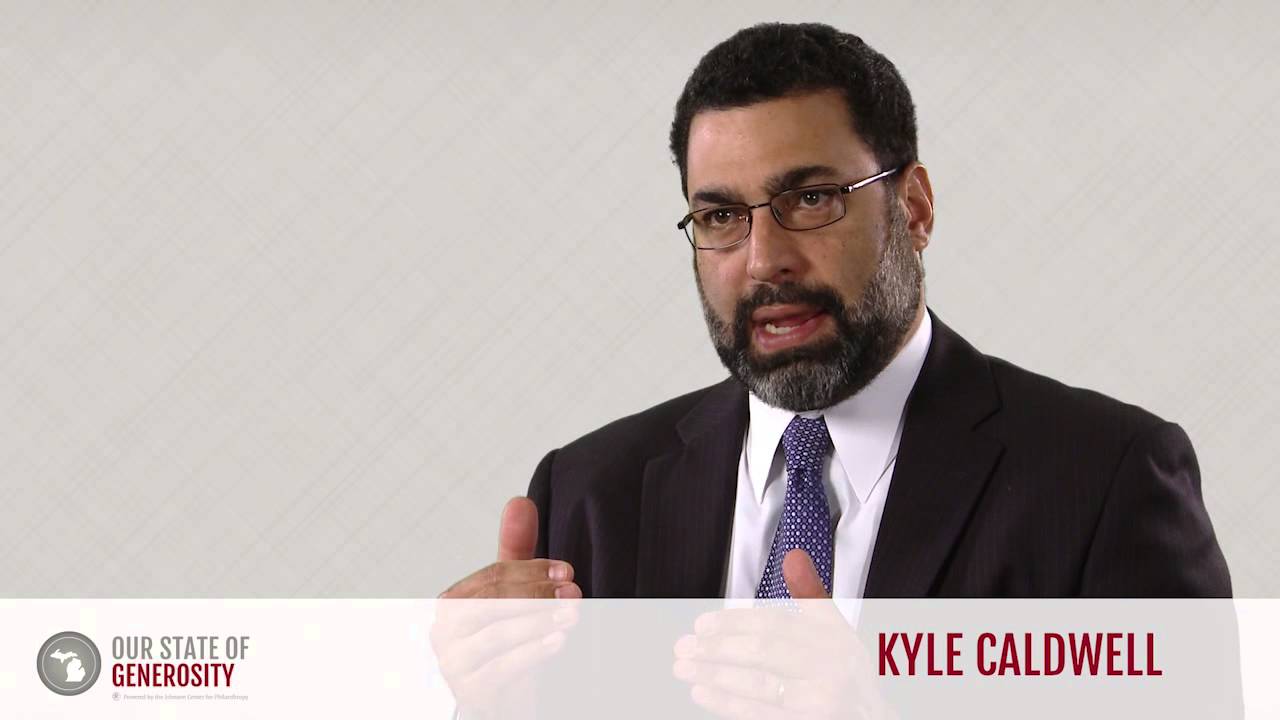
Kyle Caldwell spent years running the Dorothy A. Johnson Center for Philanthropy at Grand Valley State University before taking over as president and CEO of the Council of Michigan Foundations. In “Nonprofits and the Hybrid Business Model,” produced by the Johnson Center, he walks through what happens when a 501(c)(3) starts acting like a company — selling products, running ventures, and chasing revenue that used to come only from grants and donor checks.
Caldwell’s framing is blunt: the line between the charitable sector and the corporate sector has been blurring for years, and boards that ignore that shift are making a choice, whether they realize it or not. His presentation lays out the legal tripwires, the financial upside, and the operational questions any nonprofit leadership team has to answer before greenlighting a social enterprise.
- Caldwell examines how 501(c)(3) organizations can pursue earned-income strategies and social enterprise activity without jeopardizing tax-exempt status.
- The presentation identifies IRS unrelated business income tax (UBIT) rules, private benefit restrictions, and the primary charitable purpose test as the core legal hurdles.
- Caldwell outlines specific hybrid structures — social enterprises, subsidiary ventures, and contract hybrids — as the practical paths nonprofits use to diversify beyond grants and individual gifts.
Nonprofits Adopt Hybrid Operational Models
Grants and individual donations aren’t a guaranteed floor for most charities, and Caldwell’s talk treats that instability as the whole reason hybrid models exist. Rather than waiting on the next funding cycle, organizations are testing earned-income ventures — everything from fee-for-service programs to standalone subsidiaries — that can generate cash on a schedule the nonprofit controls itself.
That shift echoes broader conversations happening across small business circles about diversifying revenue instead of leaning on a single source. Caldwell’s point for nonprofits is the same logic corporate finance teams use: concentration risk is a liability, and earned income is one way to spread it out.
The Legal Minefield Around UBIT
Caldwell doesn’t gloss over the compliance side. He walks through unrelated business income tax — the mechanism the IRS uses to tax revenue from activity that isn’t substantially related to a nonprofit’s exempt purpose — along with private benefit restrictions that prohibit charitable assets from disproportionately enriching individuals or private interests. Get either wrong, and an organization risks its exemption, not just a tax bill.
The presentation stresses that maintaining “primary charitable purpose” isn’t a formality — it’s the test regulators actually apply when a nonprofit’s commercial activity grows large enough to draw scrutiny. That legal architecture is part of why Caldwell frames hybrid models as a structural decision, not a side hustle, in the same way founders weighing an LLC vs. sole proprietor structure have to think about liability before revenue.
Ensuring revenue-generating ventures align directly with the nonprofit’s founding mission, rather than causing mission drift, is the difference between a hybrid model that works and one that quietly hollows out the organization it was meant to fund.
Social Enterprises, Subsidiaries, and Contract Hybrids
Caldwell breaks the hybrid landscape into distinct structures rather than treating “earned income” as one catch-all category. Social enterprises operate revenue-generating programs directly inside the nonprofit. Subsidiary ventures spin commercial activity into a separate legal entity, often a for-profit subsidiary the nonprofit owns or controls. Contract hybrids sit somewhere in between, using formal agreements to define how a commercial partner and the charity split responsibilities and proceeds.
Each structure carries a different risk profile for UBIT exposure and governance complexity, which is why Caldwell pushes boards to pick the model that matches their actual capacity — not the one that sounds most ambitious in a strategic plan.
Capacity, Feasibility, and Board-Level Decisions
Before launching any commercial initiative, Caldwell argues, leadership has to run a real feasibility check: does the organization have the staff expertise to run a business line, is there an actual market for what it’s selling, and can the board absorb the regulatory compliance burden that comes with it. Skipping that step is how well-intentioned nonprofits end up with ventures that drain resources instead of generating them.
That capacity question mirrors the calculus in any profitable business launch — market feasibility and operational bandwidth matter as much as the mission behind the idea. Caldwell’s version simply adds a layer of tax-exempt compliance most for-profit founders never have to think about.
Caldwell’s core warning threads through the entire Johnson Center presentation: a hybrid model only strengthens a nonprofit when the commercial venture reinforces the mission it’s supposed to fund. Boards that treat earned income as a bolt-on rather than a mission-aligned extension are the ones that end up explaining UBIT exposure to the IRS instead of expanding their programs.








How To Build Strategic Partnerships and Grow Your Business: for Entrepreneurs and Freelancers
This Is Why You Don’t Succeed – Simon Sinek on The Millennial Generation
Real-Life Application of Blockchains in Business
This is Why All Billionaires Wake Up EXACTLY at 4:00 AM…
3 Critical Merchandising Mistakes Retailers Make