

 InfoSearched
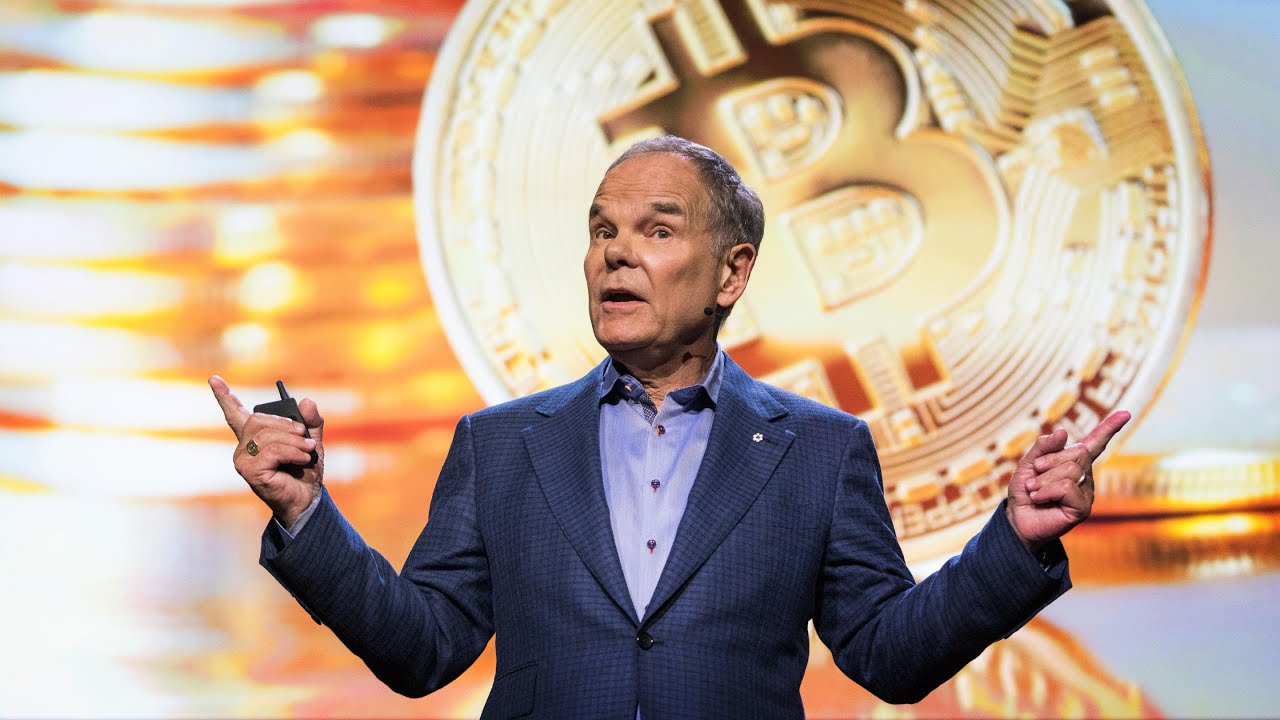
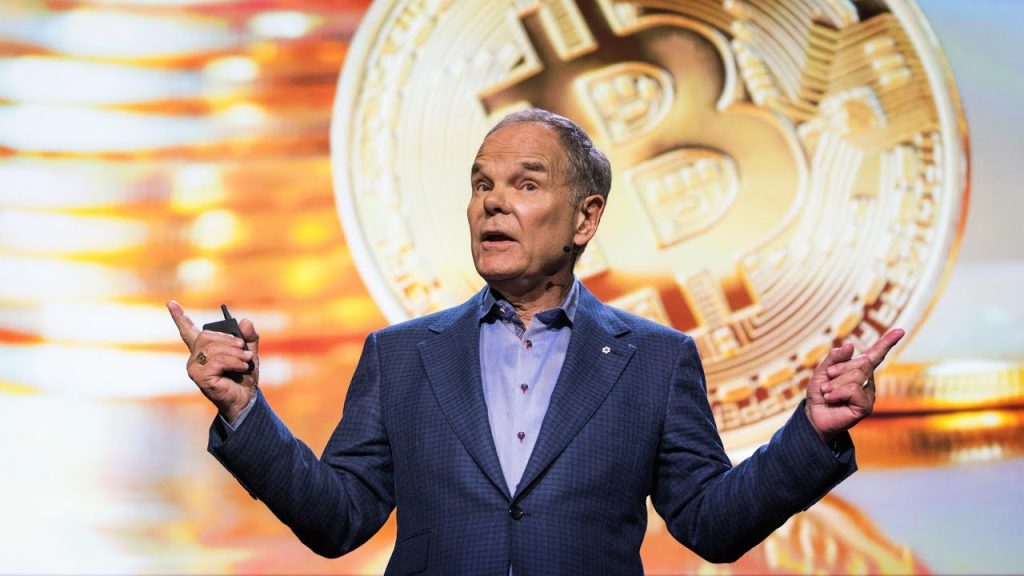
Don Tapscott stood on the TEDSummit stage in 2016 and told the audience they were watching the second generation of the internet get built in real time.
The talk, “How the blockchain is changing money and business,” was delivered at TEDSummit in June 2016 and published online by TED that August. Tapscott, the Canadian author and business theorist who co-wrote the book Blockchain Revolution with his son Alex Tapscott just weeks earlier, used the stage to lay out a framework he called “The Trust Protocol” — the idea that blockchain lets strangers transact directly, without a bank, a platform, or a government standing in the middle.
- Tapscott framed blockchain as the shift from an “internet of information,” built on copying data, to an “internet of value,” built on transferring actual assets without double-spending.
- He described miners packaging transactions into timestamped, cryptographic blocks roughly every ten minutes across a globally distributed network, making the ledger effectively tamper-proof.
- He cited remittance fees that eat up 10 to 20 percent of money sent abroad, plus centralized data breaches at JPMorgan, LinkedIn, and the U.S. government, as evidence of how costly and fragile middleman-based systems have become.
The Trust Protocol, Explained
Tapscott’s core argument was that trust has always required a middleman — a bank to clear a payment, a title company to verify a deed, a tech platform to broker a transaction between strangers. Blockchain, he said, replaces that middleman with math: collaboration, cryptography, and network consensus do the job that institutions used to do. Anyone reading his book alongside the talk, or comparing it to more technical breakdowns like Blockchain Technology Explained (2 Hour Course), will recognize the same underlying mechanics he simplified for a general audience on the TED stage.
From Internet of Information to Internet of Value
Tapscott’s central metaphor was generational. The first internet let people copy and send information freely — great for email and web pages, disastrous for anything that needs to stay scarce, like money. His “internet of value” flips that: assets, whether currency or intellectual property, can move peer-to-peer with no risk of being duplicated or spent twice, because the network itself verifies every transaction. That’s the same reframing explored in What is blockchain and how can it change our society?, another TEDx talk tackling the same shift from a different angle.
The True Cost of Middlemen
Tapscott didn’t just make an abstract case — he stacked up specific failures of the intermediary model. Centralized databases at companies like JPMorgan and LinkedIn, and even inside the U.S. government, had already become prime hacking targets. Remittance corridors were skimming a huge cut off every transfer sent home by migrant workers.
Remittance fees eat up 10 to 20 percent of every dollar sent home.
On top of the fees and the breaches, Tapscott pointed to the billions of unbanked people locked out of the financial system entirely, and to tech platforms quietly monetizing user data without paying the people who generated it in the first place.
Smart Contracts, Sharing Economies, and Self-Sovereign Identity
The solutions Tapscott sketched out were concrete. Decentralized versions of Airbnb or Uber could let hosts and drivers transact directly with riders and guests, cutting out the platform’s cut. Smart contracts could pay musicians and other creators the moment their work gets used, instead of waiting on royalty statements from a label or a distributor. And immutable digital identities, owned by the individual rather than a bank or a social network, could let people control — and even sell — their own data instead of handing it over for free.
Tapscott’s talk arrived at a moment when Bitcoin was still mostly a curiosity to mainstream audiences, and his framing — that the technology under Bitcoin mattered more than the coin itself — became one of the more widely cited arguments for why blockchain deserved attention beyond crypto trading. Readers looking to go deeper on the mechanics he only sketched on stage can find the fuller technical picture in Blockchain Explained.



Why a Sole Proprietorship Might be a Shrewd Business Move
“This Really Works! 2 Times Everyday”
What is a Partnership?
3 Ways to REALLY Make Money in The Stock Market (Insider Tips)*
How This 19 Year Old Made $2.5 Million Dollars From Minecraft